
In today’s competitive industrial environment, accurate testing is critical for ensuring product quality, safety, and regulatory compliance. Whether you’re manufacturing steel components, testing construction materials, or verifying weld quality, the credibility of your test results depends on the competence of the laboratory performing the work.
This is why organizations increasingly prefer a NABL Accredited Testing Laboratory.
Accreditation from the National Accreditation Board for Testing and Calibration Laboratories (NABL) demonstrates that a laboratory operates according to internationally recognized quality standards, follows validated testing methods, uses calibrated equipment, and employs technically competent personnel.
For manufacturers, EPC contractors, infrastructure developers, exporters, and government agencies, working with a NABL-accredited laboratory provides confidence that test reports are reliable, traceable, and widely accepted.
In this guide, you’ll learn what NABL accreditation means, why it matters, the benefits it offers, industries that rely on accredited laboratories, and how to choose the right testing partner.
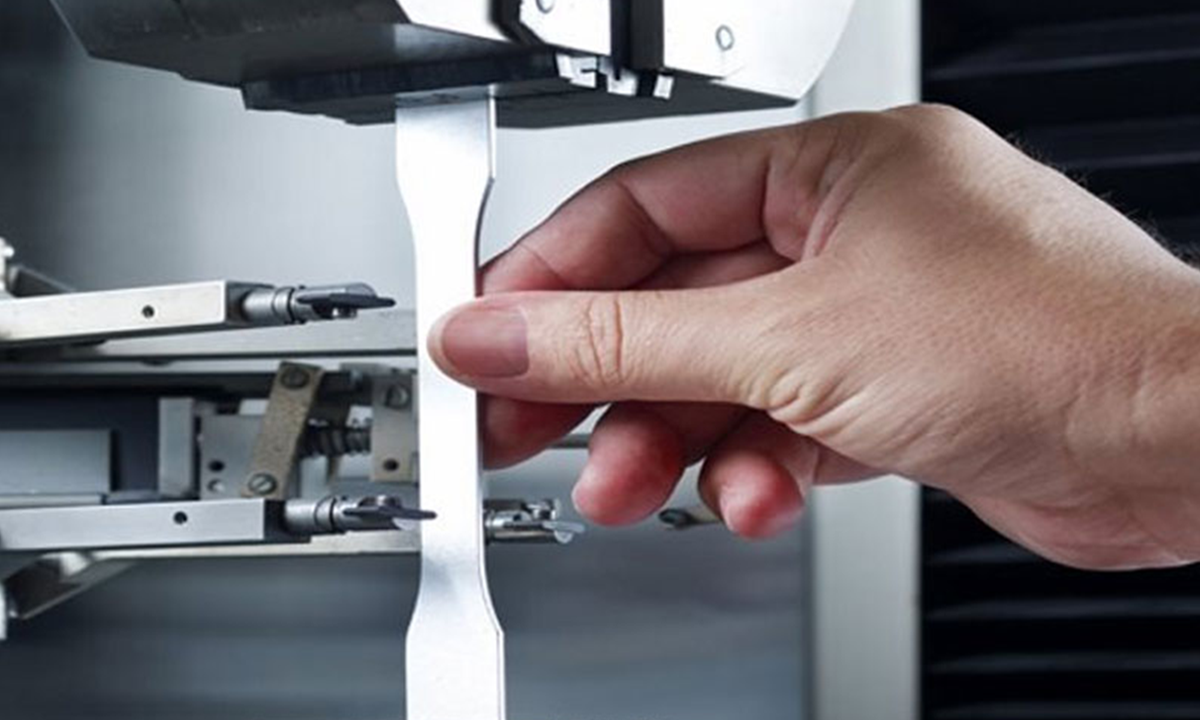
NABL is India’s national accreditation body responsible for assessing and accrediting testing and calibration laboratories.
A NABL Accredited Testing Laboratory has demonstrated technical competence to perform specific tests according to ISO/IEC 17025, the international standard for testing and calibration laboratories.
Accreditation involves a rigorous assessment of:
- Technical competence
- Laboratory management systems
- Equipment calibration
- Staff qualifications
- Testing procedures
- Measurement traceability
- Quality control practices
- Documentation and reporting
Only laboratories that consistently meet these requirements receive accreditation for defined testing scopes.
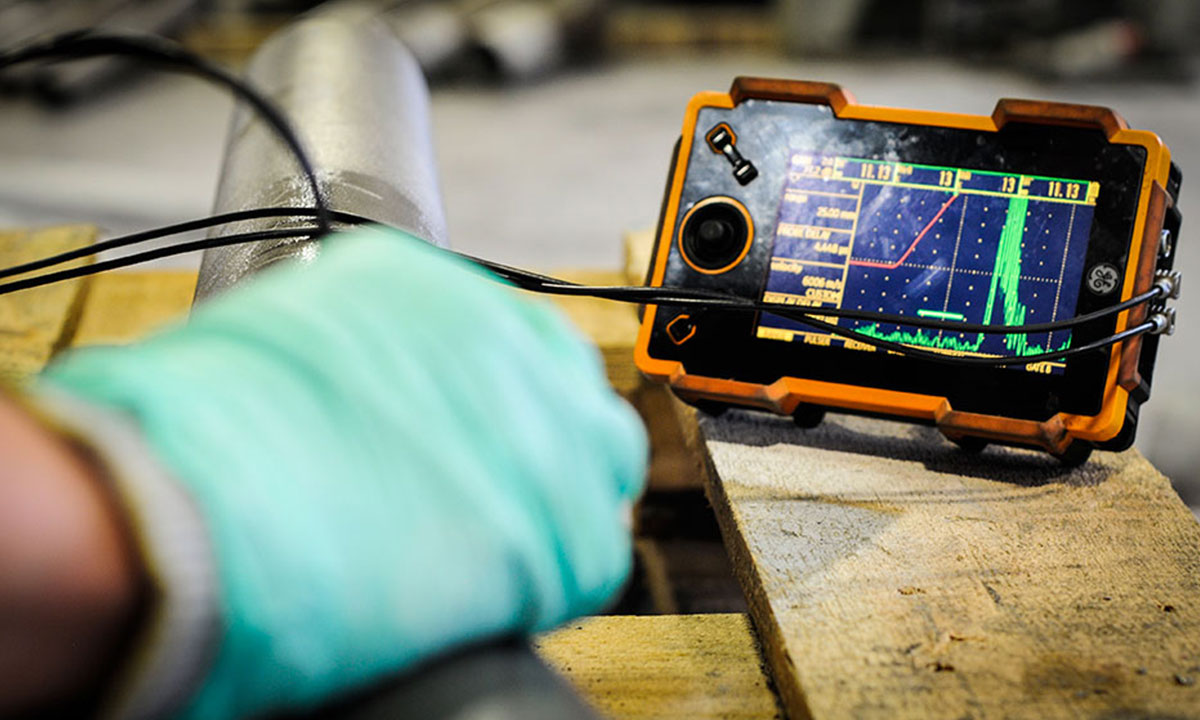
Selecting an accredited laboratory offers significant advantages over using a non-accredited facility.
Reliable Test Results
Accredited laboratories follow validated methods and maintain strict quality control, reducing the risk of inaccurate or inconsistent results.
International Recognition
Test reports issued by NABL-accredited laboratories are widely accepted by regulatory authorities, industries, and international organizations through mutual recognition arrangements.
Compliance with Standards
Accredited laboratories perform testing according to recognized standards such as:
- ISO
- ASTM
- BIS
- ASME
- EN
- API
- AWS
This helps organizations demonstrate compliance with contractual and regulatory requirements.
Improved Decision-Making
Reliable data enables engineers, project managers, and quality professionals to make informed decisions regarding material acceptance, product release, and process improvements.
1. Technical Competence
Accredited laboratories employ qualified personnel with expertise in testing methodologies and quality assurance.
2. Accurate and Repeatable Results
Regular equipment calibration, proficiency testing, and internal quality checks ensure consistent performance.
3. Enhanced Customer Confidence
Clients and regulatory authorities are more likely to trust reports issued by accredited laboratories.
4. Reduced Business Risk
Reliable testing helps prevent product failures, recalls, and costly rework.
5. Regulatory Acceptance
Many government projects, infrastructure developments, and export contracts specifically require testing from NABL-accredited laboratories.
6. Continuous Improvement
Accredited laboratories undergo periodic surveillance and reassessment to maintain high standards of performance.
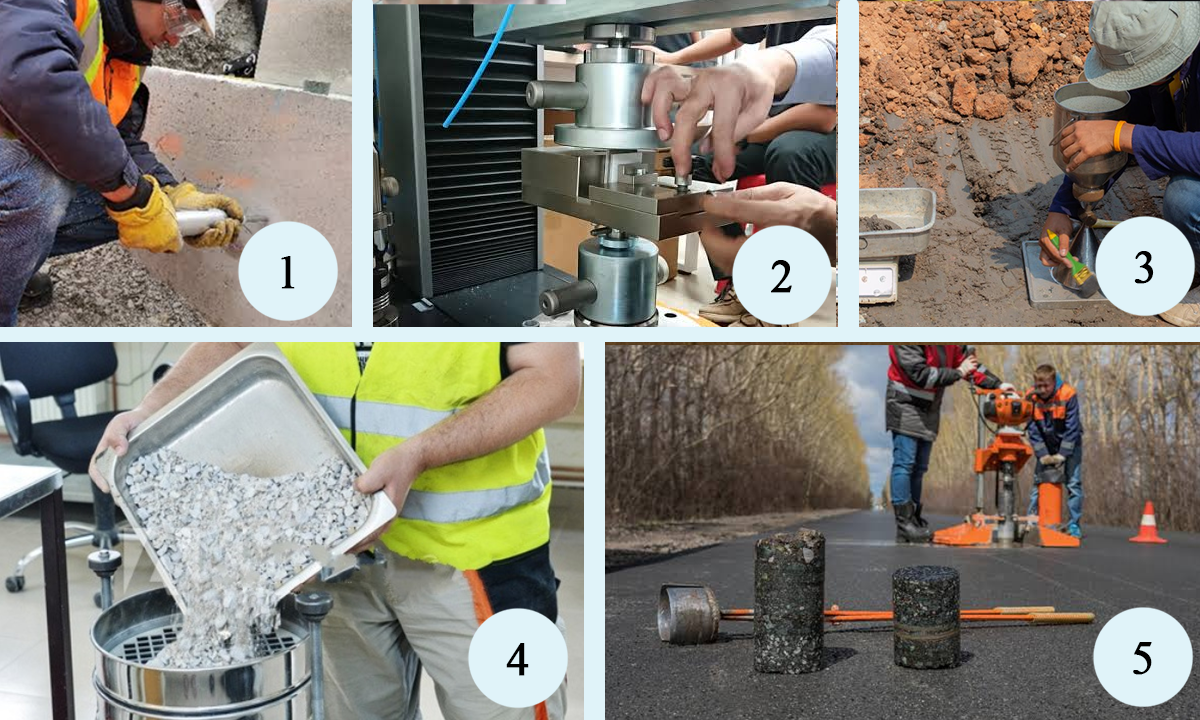
Accredited testing services are essential across a wide range of industries, including:
- Construction and infrastructure
- Manufacturing
- Oil & Gas
- Power generation
- Automotive
- Aerospace
- Railways
- Pharmaceuticals
- Mining
- Heavy engineering
Each of these sectors relies on accurate testing to ensure product performance, safety, and compliance.
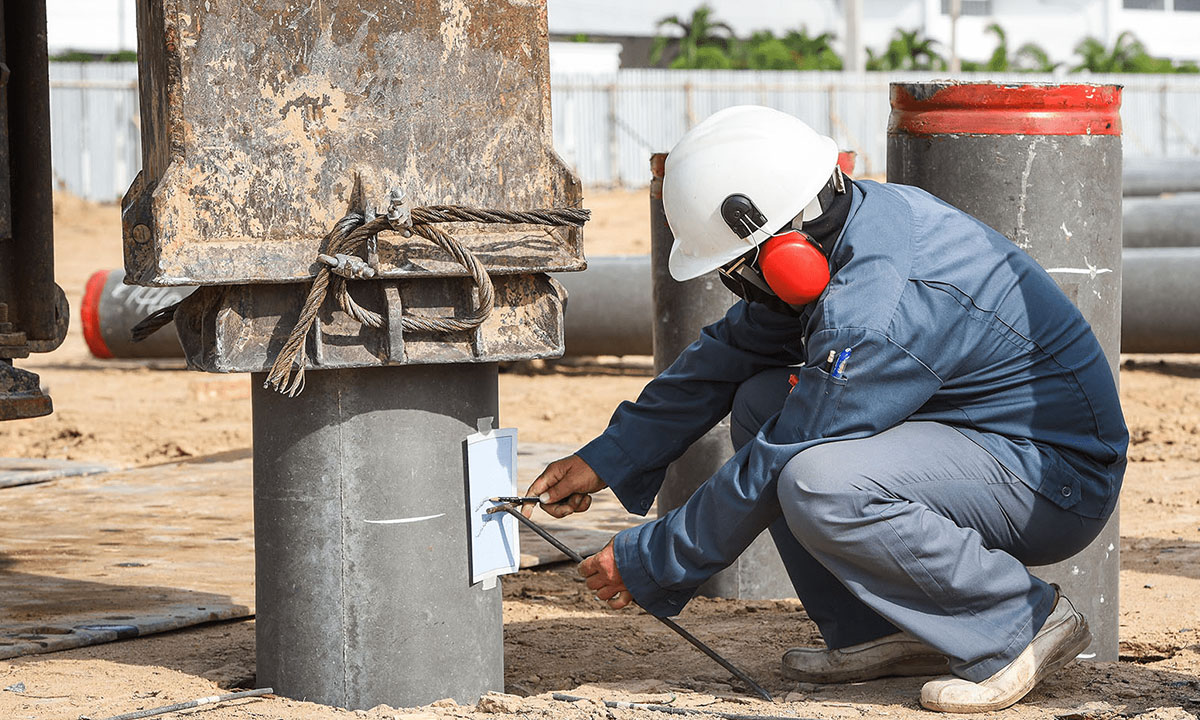
While the scope varies by laboratory, common services include:
Mechanical Testing
- Tensile testing
- Compression testing
- Bend testing
- Hardness testing
- Impact testing
Chemical Analysis
- Material composition analysis
- Alloy verification
- Elemental testing
Metallurgical Testing
- Microstructure examination
- Grain size analysis
- Heat treatment evaluation
- Failure analysis
Non-Destructive Testing (NDT)
- Ultrasonic Testing (UT)
- Magnetic Particle Testing (MT)
- Dye Penetrant Testing (PT)
- Radiographic Testing (RT)
- Visual Testing (VT)
Construction Material Testing
- Cement testing
- Concrete testing
- Aggregate testing
- Soil testing
- Steel reinforcement testing
Before selecting a laboratory, consider:
- Scope of NABL accreditation
- Experience in your industry
- Availability of required testing services
- Qualified technical personnel
- Modern testing equipment
- Turnaround time
- Transparent reporting
- Customer support
- Reputation and references
It’s important to verify that the laboratory is accredited for the specific tests you require, not just generally accredited.
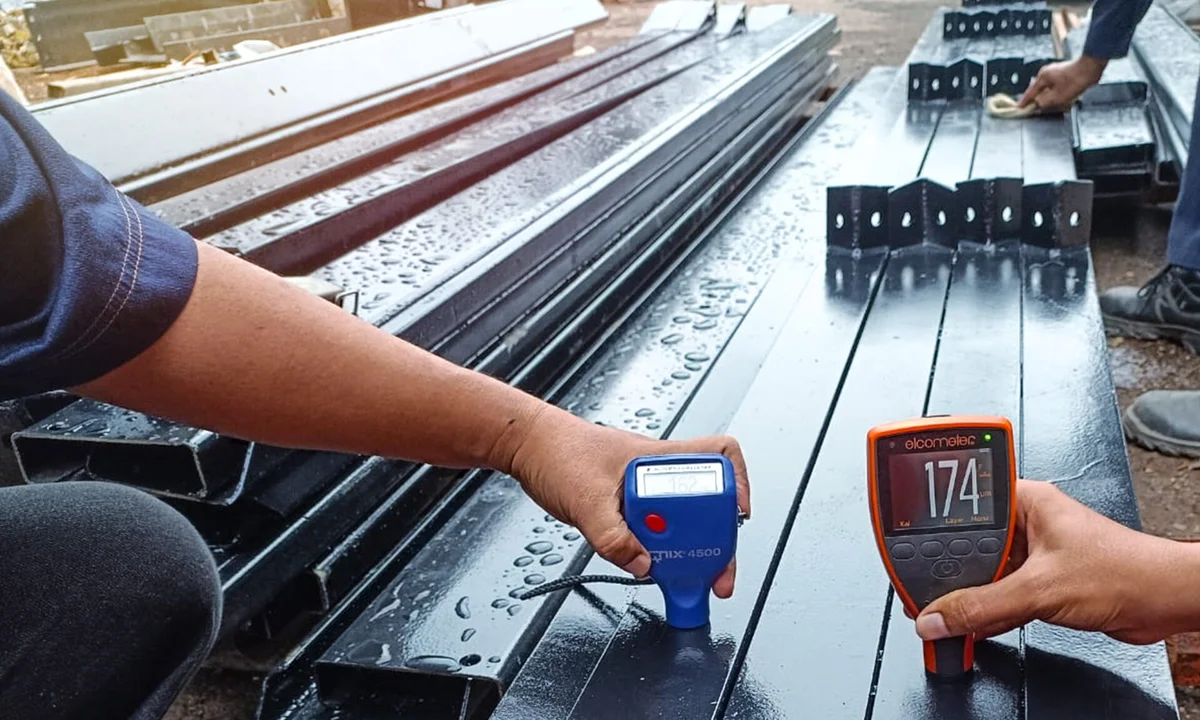
Industrial Development & Testing Laboratory (IDTL) is committed to delivering reliable testing and inspection services that support quality assurance across multiple industries.
With NABL accreditation, experienced engineers, advanced laboratory facilities, and adherence to international standards, IDTL provides services including:
- Material Testing
- Mechanical Testing
- Chemical Analysis
- Metallurgical Testing
- Non-Destructive Testing
- Third-Party Inspection
By combining technical expertise with a customer-focused approach, IDTL helps organizations ensure compliance, improve product quality, and make informed engineering decisions.
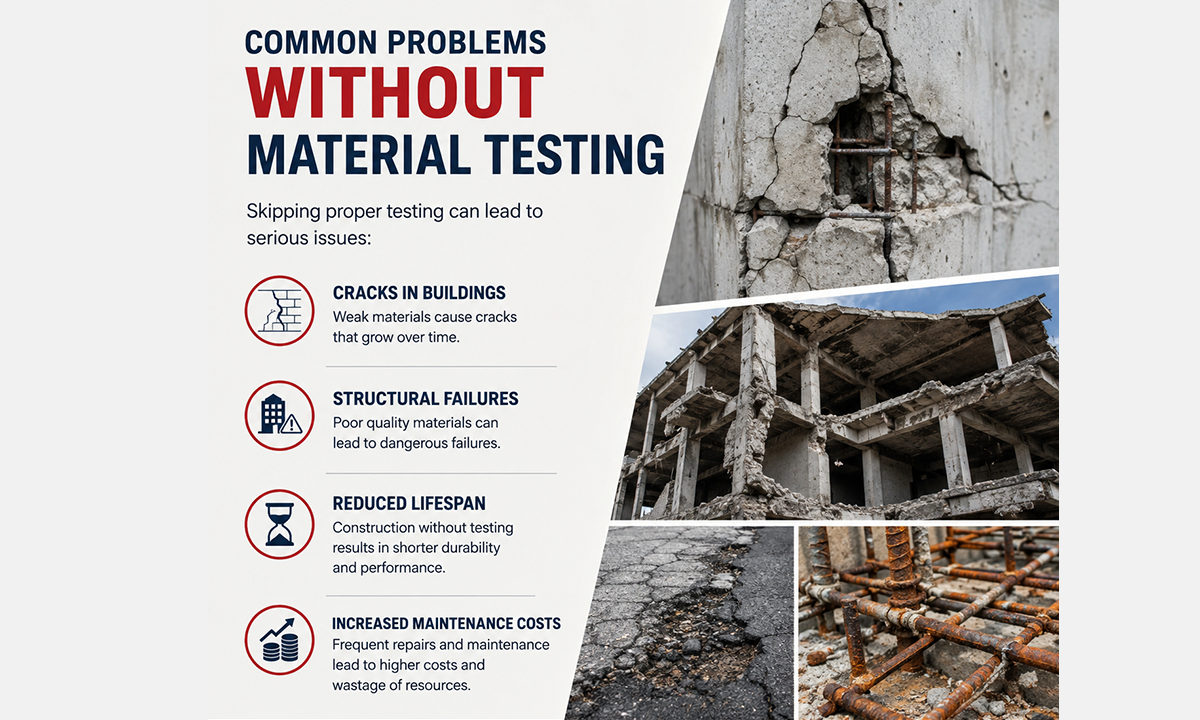

Choosing a NABL Accredited Testing Laboratory is an investment in quality, safety, and credibility. Accredited laboratories follow internationally recognized standards, maintain rigorous quality systems, and deliver dependable test results that support engineering decisions and regulatory compliance.
For organizations that value reliability and long-term performance, partnering with an experienced NABL-accredited laboratory like IDTL can help reduce risk, strengthen customer confidence, and ensure products meet the highest quality expectations.
What is UltraWhat is a NABL Accredited Testing Laboratory?sonic Testing used for?
A NABL Accredited Testing Laboratory is a laboratory that has been assessed and recognized for its technical competence to perform specific testing or calibration activities according to ISO/IEC 17025.
Why should I use a NABL-accredited laboratory?
It provides confidence that test results are accurate, reliable, and generated using internationally accepted quality practices.
Are NABL test reports accepted internationally?
Yes. Through international mutual recognition arrangements, many NABL-accredited laboratory reports are accepted by organizations in other countries, subject to applicable regulations.
Does accreditation guarantee perfect results?
Accreditation demonstrates competence and robust quality systems, but it does not eliminate all uncertainty. It significantly improves the reliability and traceability of testing.
Which industries require NABL-accredited testing?
Construction, manufacturing, oil & gas, automotive, aerospace, railways, pharmaceuticals, and infrastructure sectors frequently require testing from NABL-accredited laboratories.