
Non Destructive Testing in India has become one of the most essential processes for ensuring safety, quality, and reliability across industries. From construction and manufacturing to oil & gas, power generation, railways, and aerospace, industries rely on non-destructive testing to detect hidden defects without damaging valuable materials. As India’s infrastructure and industrial sectors continue to grow, NDT plays a critical role in preventing failures, reducing maintenance costs, and ensuring compliance with national and international quality standards.
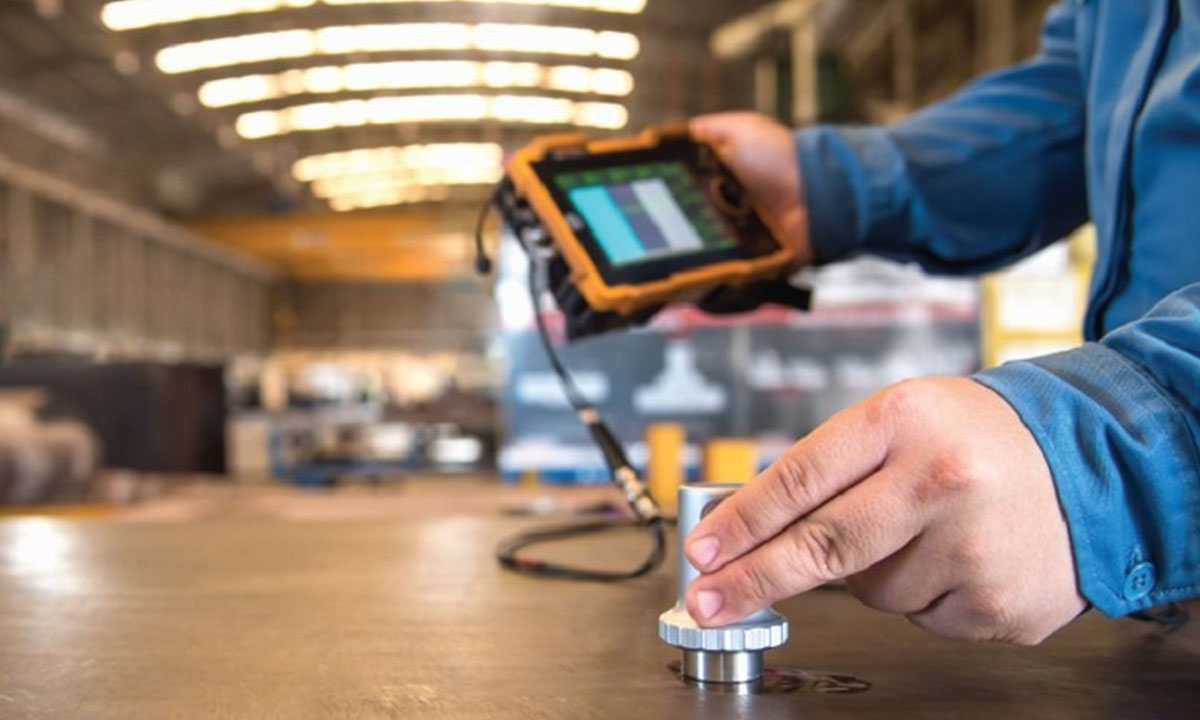
The National Accreditation Board for Testing and Calibration Laboratories (NABL) operates under the Quality Council of India. NABL evaluates a laboratory against the internationally recognised ISO/IEC 17025 standard, which covers four core pillars:
- Technical competence – qualified staff, calibrated equipment, validated methods.
- Traceability – measurements linked to national and international standards.
- Quality‑management – robust procedures, document control, continual improvement.
- Impartiality – unbiased testing, no conflict of interest.
Because NABL is a signatory of the International Laboratory Accreditation Cooperation (ILAC), a test report from a NABL‑accredited lab is accepted worldwide – a decisive advantage for Indian manufacturers that export or work in global supply chains.
Non-destructive testing methods are developed and performed according to internationally recognized standards to ensure accuracy, consistency, and safety. Organizations such as ASTM International publish widely accepted standards for NDT procedures used across various industries.
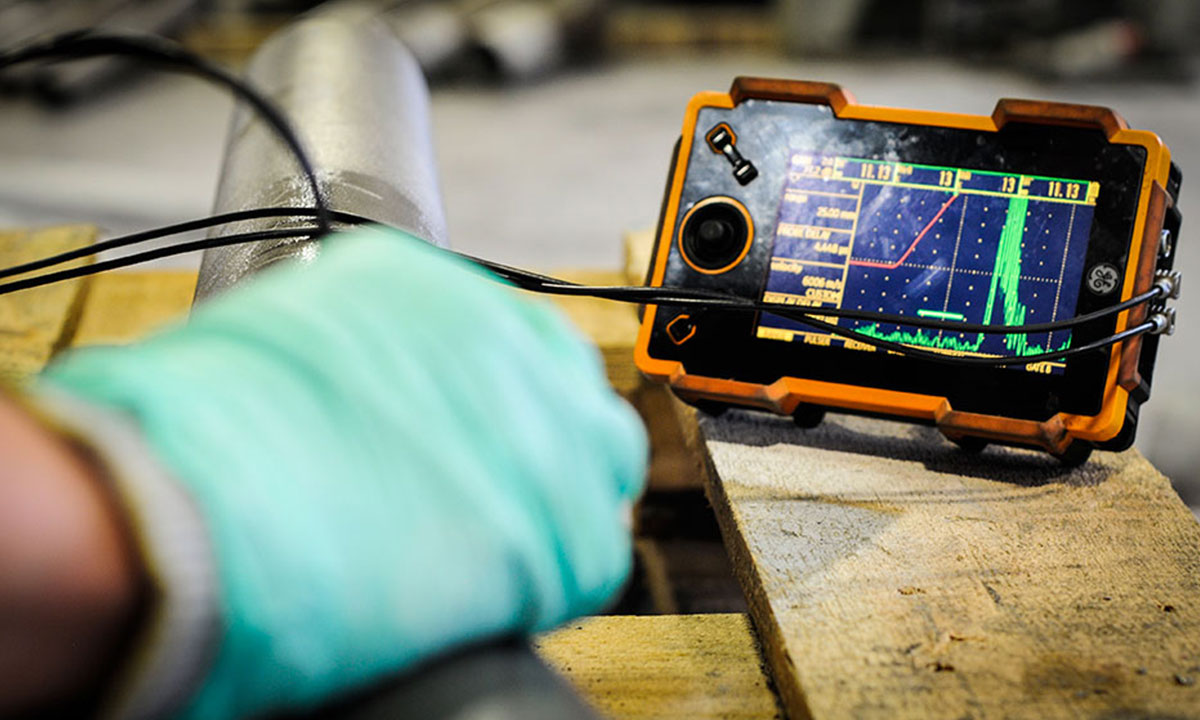
Benefit | How It Helps Your Business |
Regulatory compliance | Many government tenders and private contracts specifically require NABL‑certified reports. |
Nation‑wide acceptance | ILAC‑recognised, so your data works anywhere in the world. |
Reduced business risk | Accurate testing prevents product failures, costly re‑work and legal disputes. |
Faster market entry | Certified data shortens approval cycles and speeds up tender wins. |
Higher customer confidence | Stakeholders trust data from an accredited source. |
IDTL offers a complete range of ISO/IEC 17025‑certified testing under a single roof, backed by NABL accreditation. Choose the service you need – or combine several for a full‑project scope.
Service
What You Get
Mechanical Testing
Tensile, compression, fatigue, bend, creep and fatigue‑life analysis.
Chemical Testing
Elemental composition, alloy verification, corrosion‑resistance analysis, oil & lubricant testing.
Impact Testing
Charpy, Izod, drop‑weight and high‑speed impact assessments.
Hardness Testing
Rockwell, Brinell, Vickers and macro‑hardness measurements.
Portable Hardness Testing
On‑site hardness verification with handheld equipment.
Dynamic Balancing
Rotor & propeller balancing for rotating machinery, fan blades, turbines.
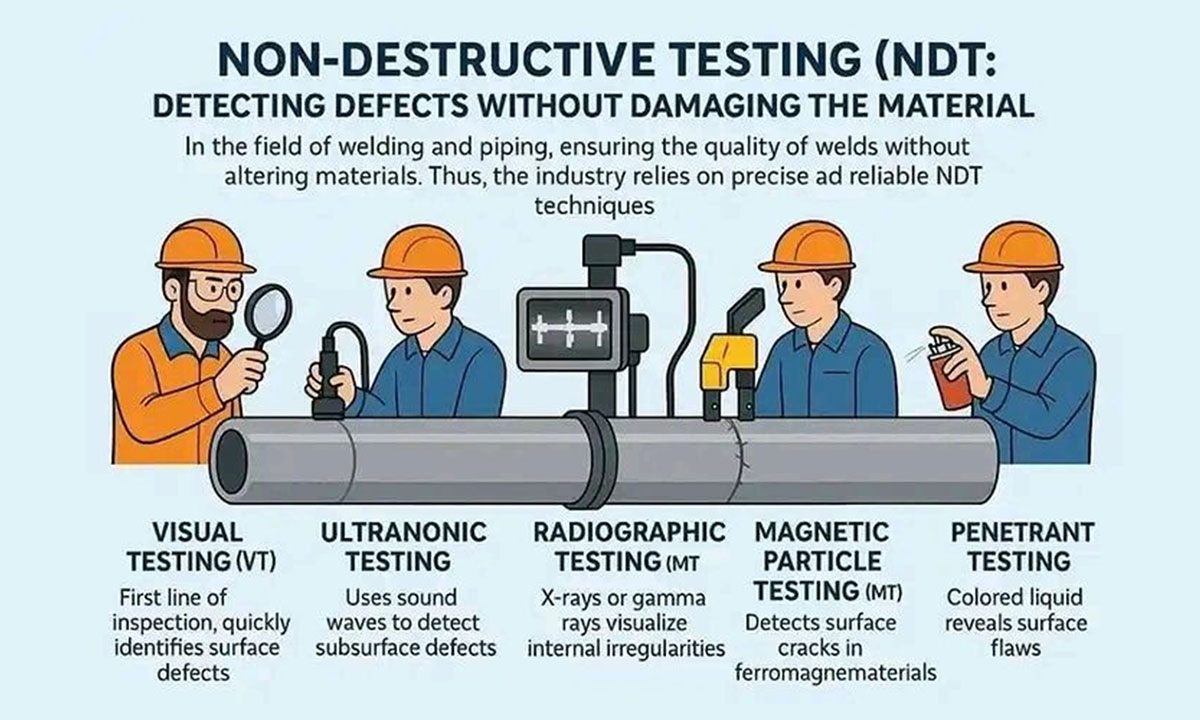
Non‑Destructive Testing (NDT)
Ultrasonic, radiography, magnetic‑particle, penetrant, eddy‑current, phased‑array and acoustic‑emission inspections.
Metallography Testing
Micro‑structure examination, grain‑size analysis, etching and microscopy.
Spectrography Analysis
XRF, OES, ICP‑AES, FTIR and Raman spectroscopy for material identification.
Non‑Metallic Testing
Polymer, ceramic, composite, glass and fibre‑reinforced material analysis.
All services are available for clients across India – our mobile units and regional hubs enable on‑site sampling and rapid reporting from Delhi to Chennai, Mumbai to Hyderabad.
- Automotive – Component validation, failure analysis, warranty testing, homologation support.
- Construction & Infrastructure – Concrete, steel, composite material testing for bridges, highways, high‑rise buildings.
- Oil & Gas – Pipeline integrity, corrosion monitoring, material qualification for offshore and on‑shore assets.
- Manufacturing – Process control, quality assurance, product certification for consumer goods, heavy equipment, consumer electronics.
- Engineering & Fabrication – Welding inspection, heat‑treatment verification, stress‑analysis for
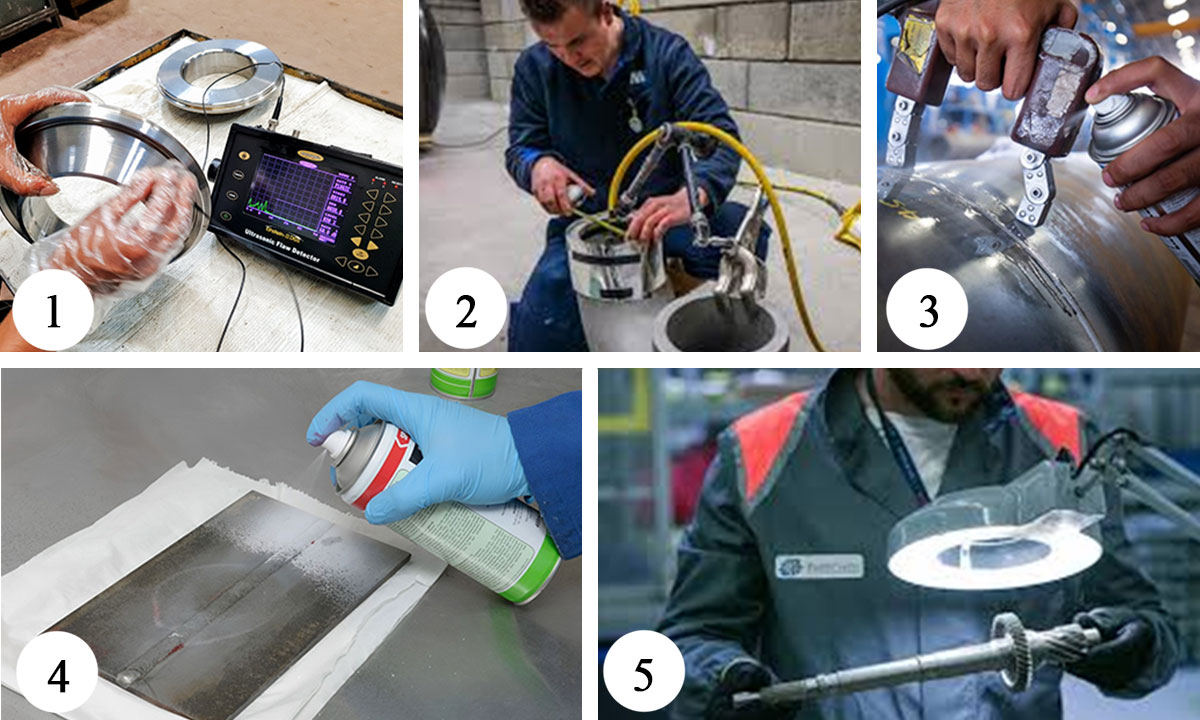
Industries also follow internationally recognized testing standards to ensure reliable inspection results. Standards published by ISO (International Organization for Standardization) help organizations maintain quality, safety, and regulatory compliance.
These inspection techniques are typically performed following internationally accepted standards developed by organizations such as ASTM International and ISO, ensuring consistent and reliable testing practices. fabricated structures.
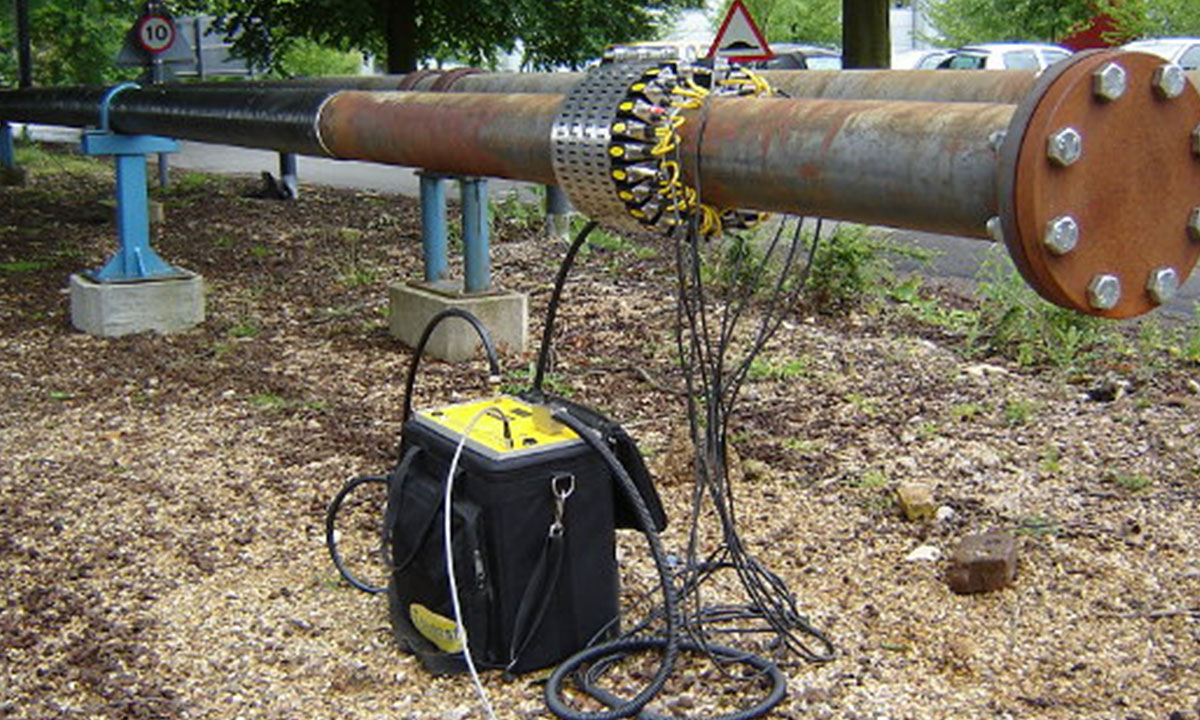
How Does Non Destructive Testing in India Work?
- Technical competence of our scientists and engineers.
- Standardised, repeatable testing procedures.
- High accuracy with documented measurement uncertainty.
- Globally accepted, traceable test reports.
Certificate Number: {{YOUR_CERTIFICATE_NUMBER}}
Insert a “Download NABL Certificate (PDF)” button here.
Benefits of Non Destructive Testing in India
- Valid NABL accreditation – verify on the official NABL portal (www.nabl-india.org).
- Scope of services – does the lab cover the specific tests you need?
- Industry experience – look for case studies or references in your sector.
- Turnaround time – compare the quoted TAT against your project schedule.
- Nation‑wide service capability – a lab with regional hubs or mobile units saves logistics time.
Choosing the right partner ensures long‑term reliability, faster approvals and lower risk.
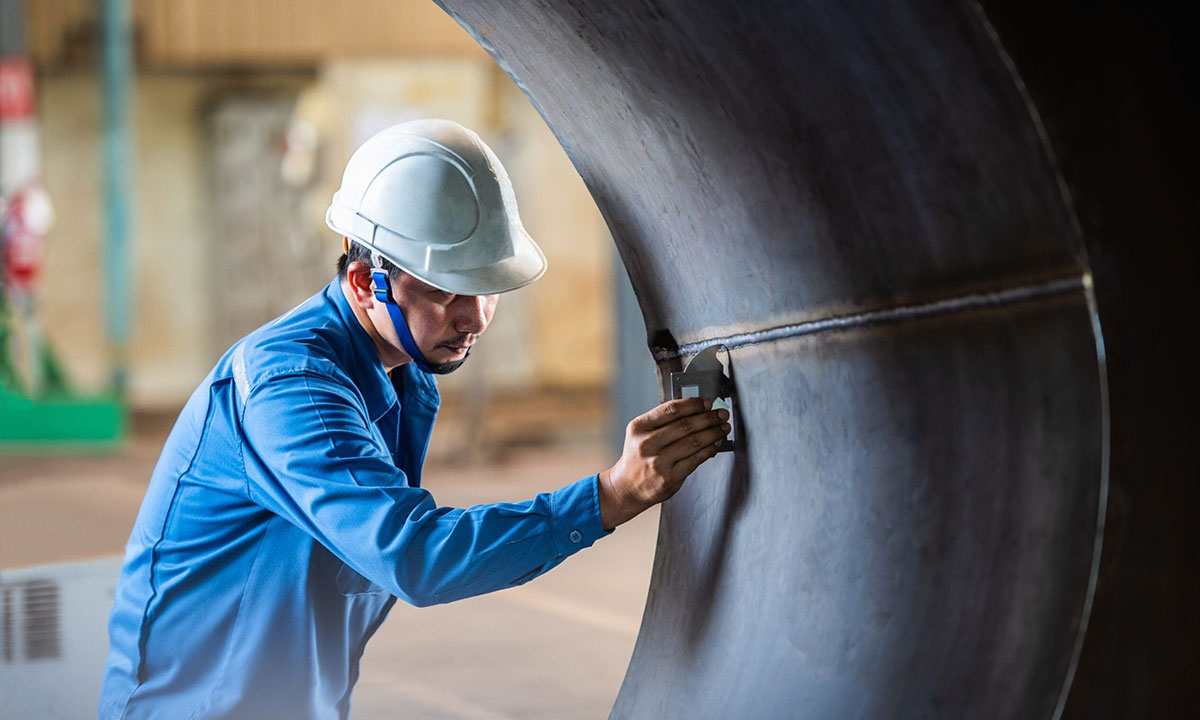
Future of Non Destructive Testing in India
- NABL accredited lab – Delhi – {{URL_DELHI}}
- NABL accredited lab – Mumbai – {{URL_MUMBAI}}
- NABL accredited lab – Bangalore – {{URL_BANGALORE}}
- NABL accredited lab – Kolkata – {{URL_KOLKATA}}
- NABL accredited lab – Chennai – {{URL_CHENNAI}}
- NABL accredited lab – Pune – {{URL_PUNE}}
- NABL accredited lab – Hyderabad – {{URL_HYDERABAD}}
- NABL accredited lab – Ahmedabad – {{URL_AHMEDABAD}}
- NABL accredited lab – Jaipur – {{URL_JAIPUR}}
- NABL accredited lab – Patna – {{URL_PATNA}}
Why this matters: Each city page is optimised for the local long‑tail keyword (e.g., “NABL lab Delhi”, “NABL accredited labs in Bangalore”). Google rewards such geo‑specific pages with a higher chance of appearing in the Local Pack and People also ask results.
How to Choose the Best Non Destructive Testing Laboratory in India
Here are a few important factors:
- NABL accreditation
- Skilled and experienced professionals
- Advanced testing equipment
- Industry-specific expertise
A reliable testing partner ensures consistent quality and trustworthy results.
Why Choose IDTL for Non Destructive Testing in India
IDTL focuses on delivering accurate and reliable testing solutions using advanced technology and industry expertise.
With a strong commitment to quality and safety, IDTL helps businesses ensure that their materials meet required standards and perform efficiently.

Non Destructive Testing in India is becoming increasingly important as industries demand higher safety standards and better quality control. Choosing a trusted laboratory like IDTL ensures reliable inspection results, regulatory compliance, and long-term material performance.
- ISO/IEC 17025‑certified processes.
- A complete suite of mechanical, chemical, NDT and specialised tests.
- Nationwide presence – from Delhi to Pune, Chennai to Hyderabad.
- Fast, reliable reporting backed by a valid NABL certificate.
Make the smart, compliant choice today – partner with IDTL, the NABL accredited testing lab you can depend on across the country.
What is a NABL accredited testing lab in India?
A NABL accredited testing lab is a facility that has been assessed and certified by the National Accreditation Board for Testing and Calibration Laboratories (NABL) to meet ISO/IEC 17025 standards. This guarantees that test data are accurate, traceable and internationally accepted.
Why is NABL accreditation important in India?
It ensures compliance with statutory regulations, gives confidence to customers and regulators, reduces business risk, and enables faster market entry because the reports are globally recognised.
Do all industries require NABL testing?
Many regulated sectors—automotive, oil & gas, infrastructure, aerospace and pharmaceuticals—explicitly require NABL‑certified reports. Even non‑regulated industries increasingly demand them for quality assurance.
How can I verify a NABL accredited lab in India?
Visit the official NABL website (www.nabl‑india.org), search by the lab’s name or certificate number, and confirm the scope of accreditation. You may also request a copy of the lab’s NABL certificate.
Does IDTL provide services across India?
Yes. IDTL has a network of fully equipped labs and mobile units covering all major industrial hubs, from Delhi to Hyderabad, ensuring fast sample collection and reporting wherever you are.
What is the typical turnaround time for a test report?
Turn‑around times vary by test type. Most mechanical and chemical tests are delivered within 3‑5 working days. Non‑destructive testing and dynamic balancing can be completed within 2‑4 days, depending on sample volume.
Can I get a site‑visit for on‑site testing?
Absolutely. Our mobile labs and field engineers can travel to your plant or project site across India for on‑site sampling, NDT, or portable hardness testing.