
In engineering and manufacturing, the performance of a product depends heavily on the mechanical properties of the materials used. Whether it is a bridge, pressure vessel, automobile component, pipeline, or heavy machinery, every metal must withstand specific loads, stresses, and environmental conditions throughout its service life.
Mechanical testing is the process of evaluating how materials behave when subjected to different forces such as tension, compression, impact, bending, and hardness. These tests help manufacturers, engineers, and quality professionals verify that materials meet design specifications and comply with applicable standards before they are used in critical applications.
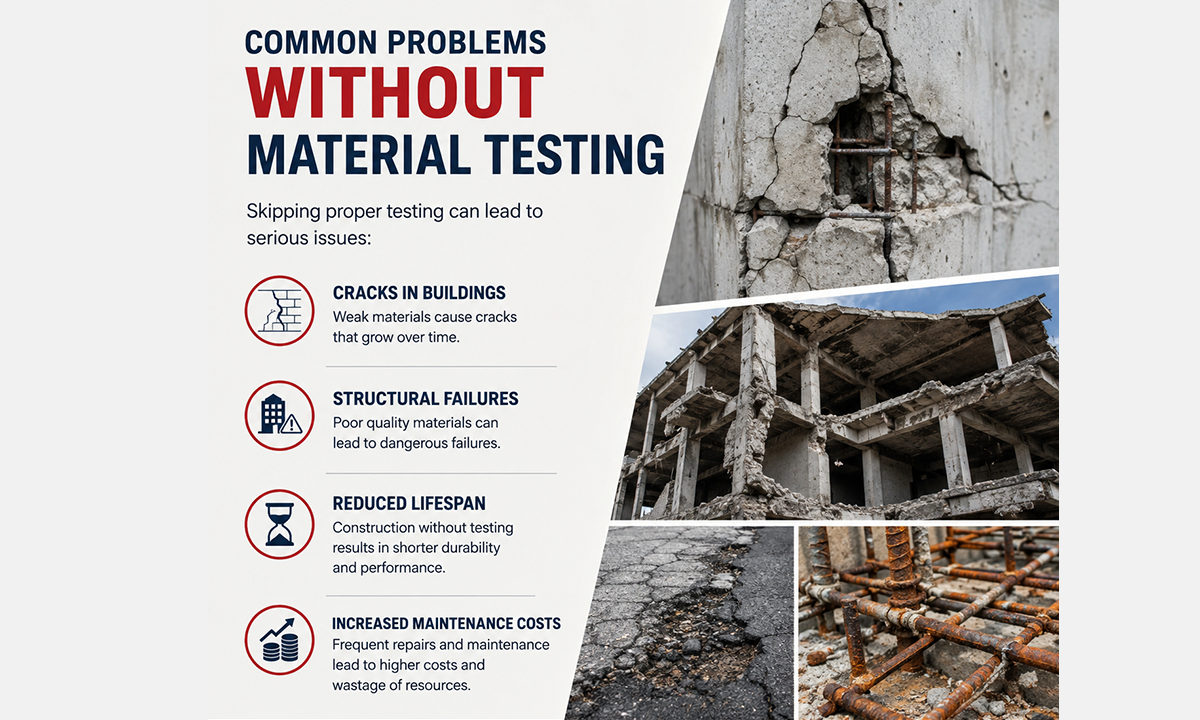
Without proper mechanical testing, defects may go unnoticed until they result in structural failures, equipment breakdowns, costly repairs, or safety incidents.
This guide explains the importance of mechanical testing, the different types of tests, relevant standards, industries that depend on testing, and how selecting an experienced testing laboratory helps ensure quality and compliance.
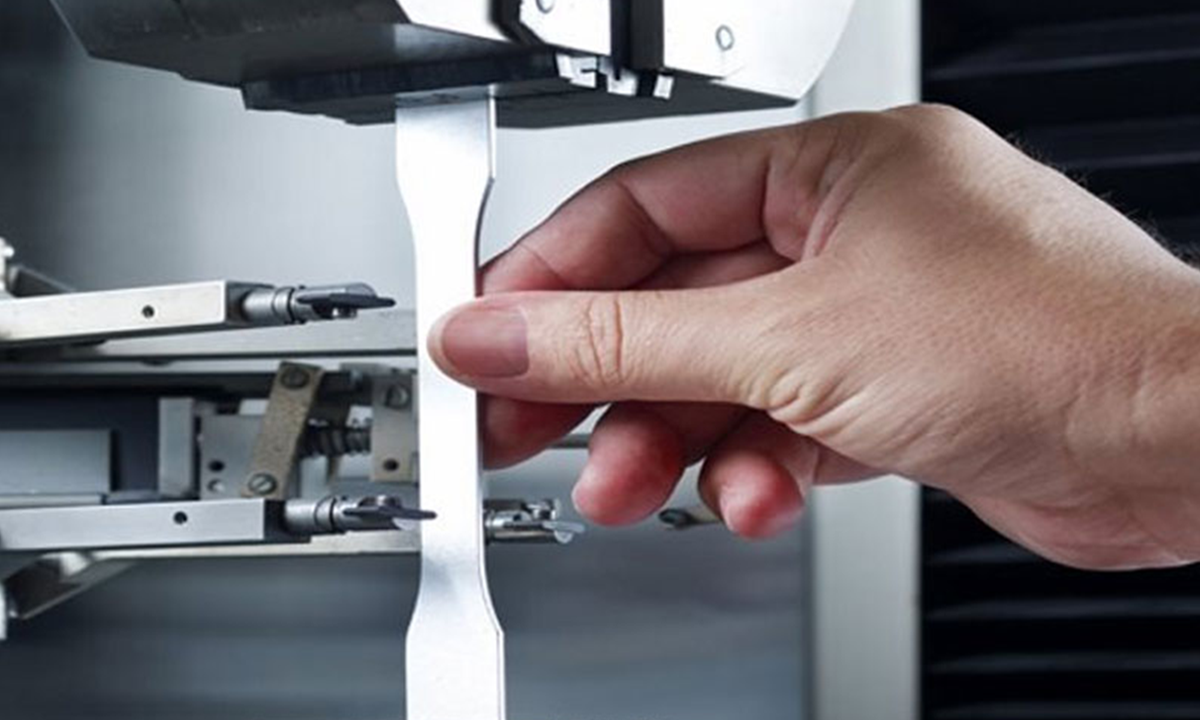
Mechanical testing is a laboratory process used to determine the physical behavior and strength characteristics of materials under controlled loading conditions.
The objective is to measure how a material responds to forces and whether it satisfies engineering and regulatory requirements.
Mechanical testing helps determine properties such as:
- Tensile Strength
- Yield Strength
- Elongation
- Ductility
- Hardness
- Toughness
- Compression Strength
- Flexural Strength
- Fatigue Resistance
These properties provide valuable information for material selection, product design, manufacturing quality control, and failure prevention.
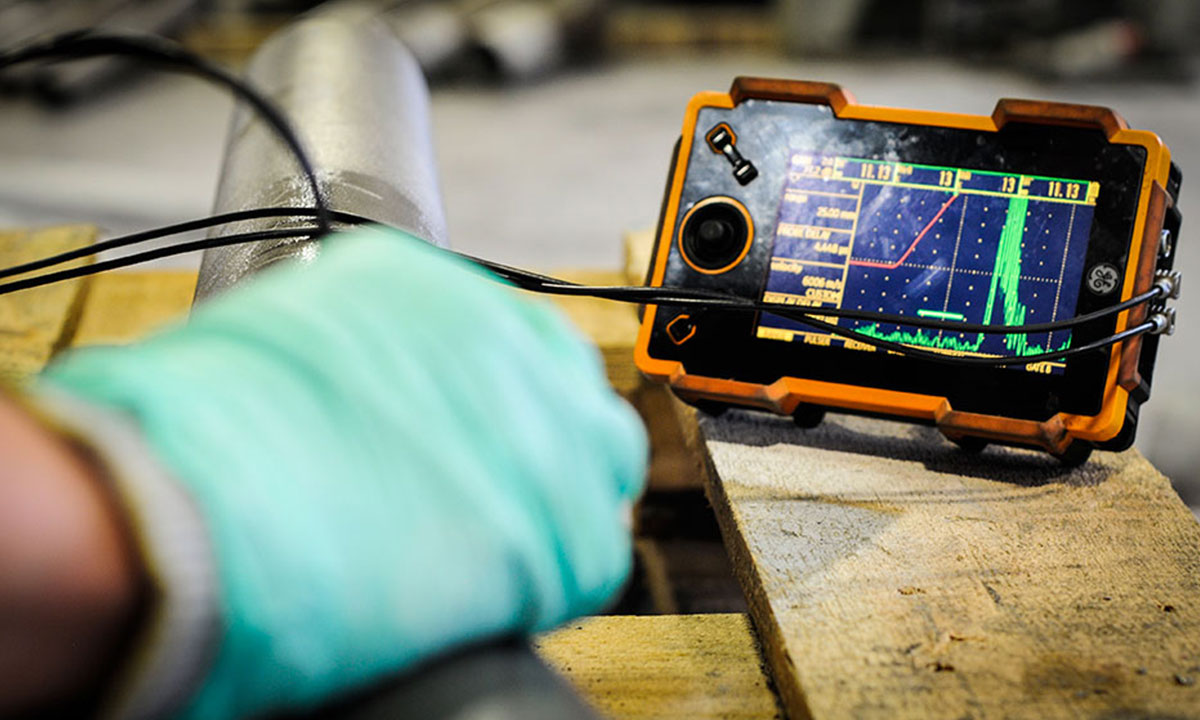
Mechanical testing is an essential part of quality assurance because it confirms that materials can safely perform in real operating conditions.
Ensures Product Safety
Testing verifies that components can withstand expected service loads without failure.
Validates Material Quality
Manufacturers use testing to confirm that supplied materials match required specifications.
Supports Regulatory Compliance
Many industries require testing according to ASTM, ISO, ASME, BIS, or other international standards.
Reduces Manufacturing Defects
Testing identifies quality issues before products reach customers.
Improves Product Reliability
Consistent testing ensures products maintain performance throughout their service life.
Minimizes Costs
Detecting defects early reduces scrap, rework, warranty claims, and downtime.
1. Tensile Testing
Tensile testing is one of the most common mechanical tests.
A standardized specimen is pulled until failure using a Universal Testing Machine (UTM).
The test measures:
- Yield Strength
- Ultimate Tensile Strength
- Elongation
- Reduction in Area
- Young’s Modulus
Applications
- Structural steel
- Reinforcement bars
- Fasteners
- Pipes
- Automotive parts
- Aerospace components
2. Hardness Testing
Hardness testing measures a material’s resistance to indentation or deformation.
Common hardness testing methods include:
- Rockwell Hardness Test
- Brinell Hardness Test
- Vickers Hardness Test
Applications
- Heat-treated components
- Tool steels
- Castings
- Forgings
- Industrial machinery
3. Impact Testing
Impact testing evaluates the ability of a material to absorb sudden shock loads.
The two widely used methods are:
- Charpy Impact Test
- Izod Impact Test
This test is especially important for materials operating in low-temperature environments where brittle fracture may occur.
4. Compression Testing
Compression testing measures how a material behaves under compressive loads.
Typical applications include:
- Concrete
- Cast iron
- Structural components
- Industrial equipment
5. Bend Testing
Bend testing evaluates ductility and weld quality.
It helps identify:
- Surface cracks
- Weld defects
- Lack of fusion
- Brittleness
This method is widely used for welding procedure qualification and fabrication inspection.
6. Shear Testing
Shear testing determines a material’s ability to resist forces acting parallel to its surface.
Applications include:
- Bolts
- Rivets
- Fasteners
- Structural connections
7. Fatigue Testing
Fatigue testing measures the performance of materials subjected to repeated loading cycles.
Industries such as aerospace, automotive, and railway engineering rely on fatigue testing to predict service life and improve design.
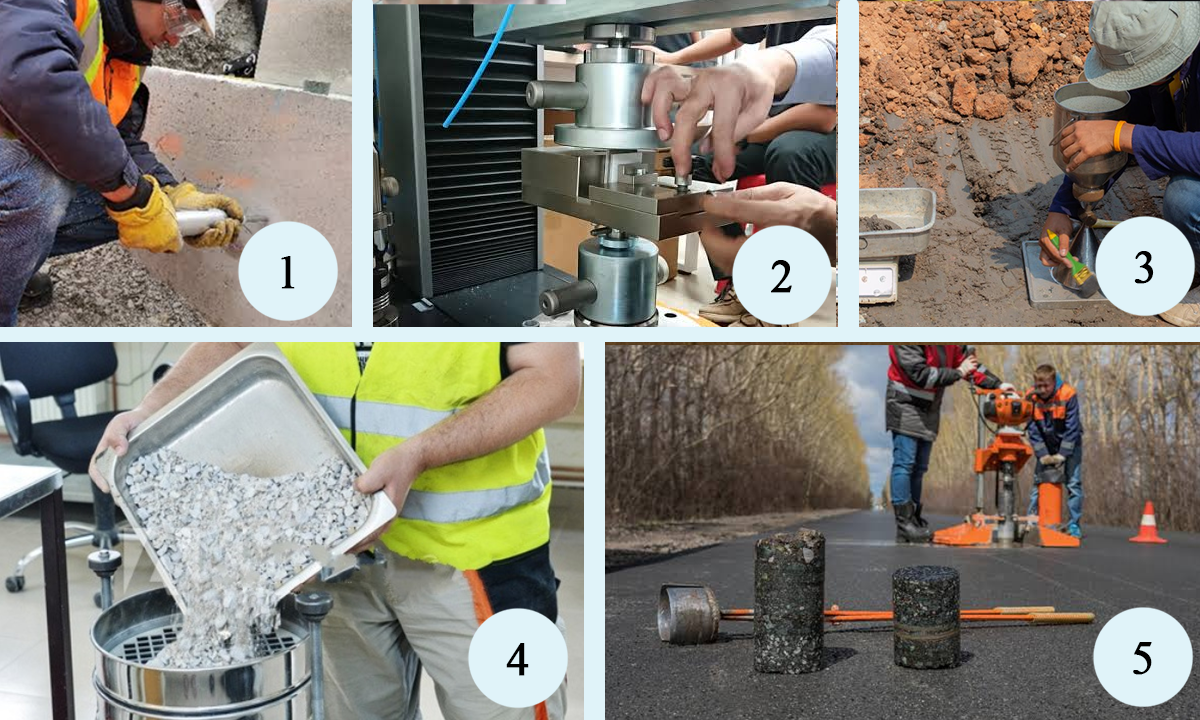
Modern testing laboratories use advanced equipment to ensure accurate and repeatable results.
Common equipment includes:
- Universal Testing Machine (UTM)
- Hardness Testers
- Impact Testing Machine
- Compression Testing Machine
- Bend Testing Fixtures
- Extensometers
- Digital Measuring Instruments
- Sample Preparation Equipment
Regular calibration of equipment is essential for maintaining testing accuracy.
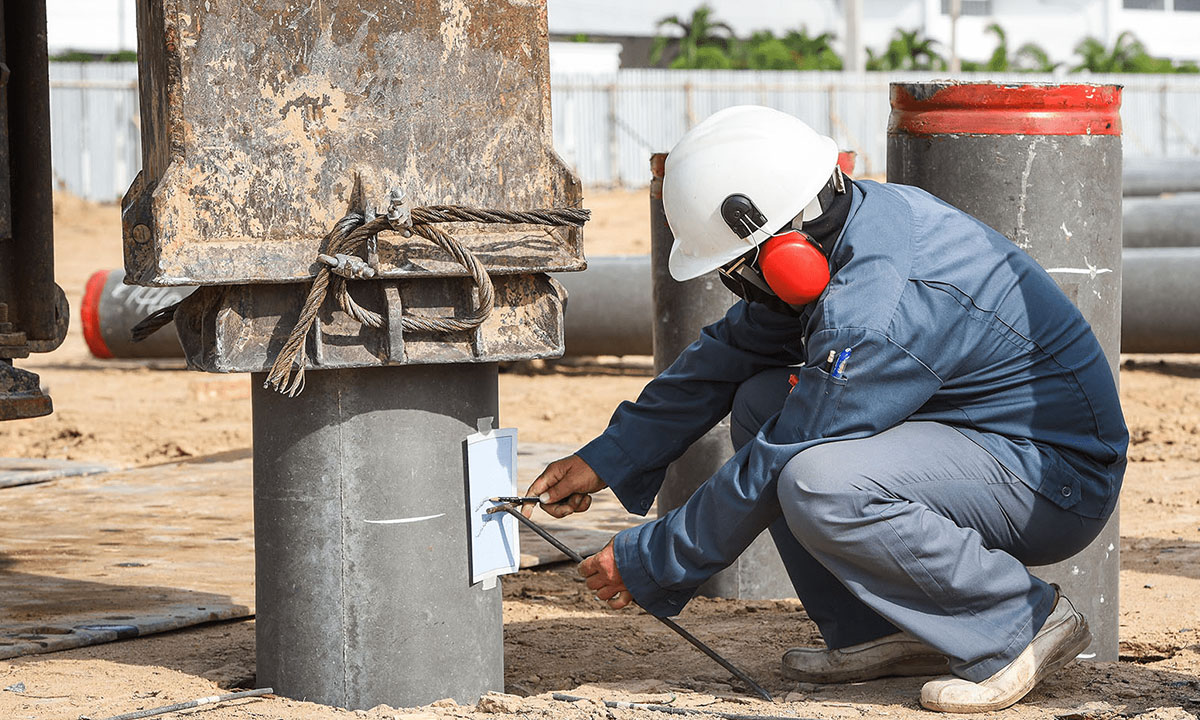
Mechanical testing is performed according to internationally recognized standards to ensure consistency and reliability.
Common standards include:
- ASTM E8/E8M – Tensile Testing of Metallic Materials
- ASTM E18 – Rockwell Hardness
- ASTM E10 – Brinell Hardness
- ASTM E92 – Vickers Hardness
- ASTM E23 – Charpy Impact Testing
- ISO 6892 – Tensile Testing of Metallic Materials
- ISO 6508 – Rockwell Hardness
- ISO 6506 – Brinell Hardness
- ISO 6507 – Vickers Hardness
Following standardized procedures ensures test results are accepted across industries.
Mechanical testing is essential in sectors where material performance directly affects safety and reliability.
Industries include:
- Construction
- Manufacturing
- Oil & Gas
- Automotive
- Aerospace
- Railways
- Power Generation
- Shipbuilding
- Heavy Engineering
- Infrastructure
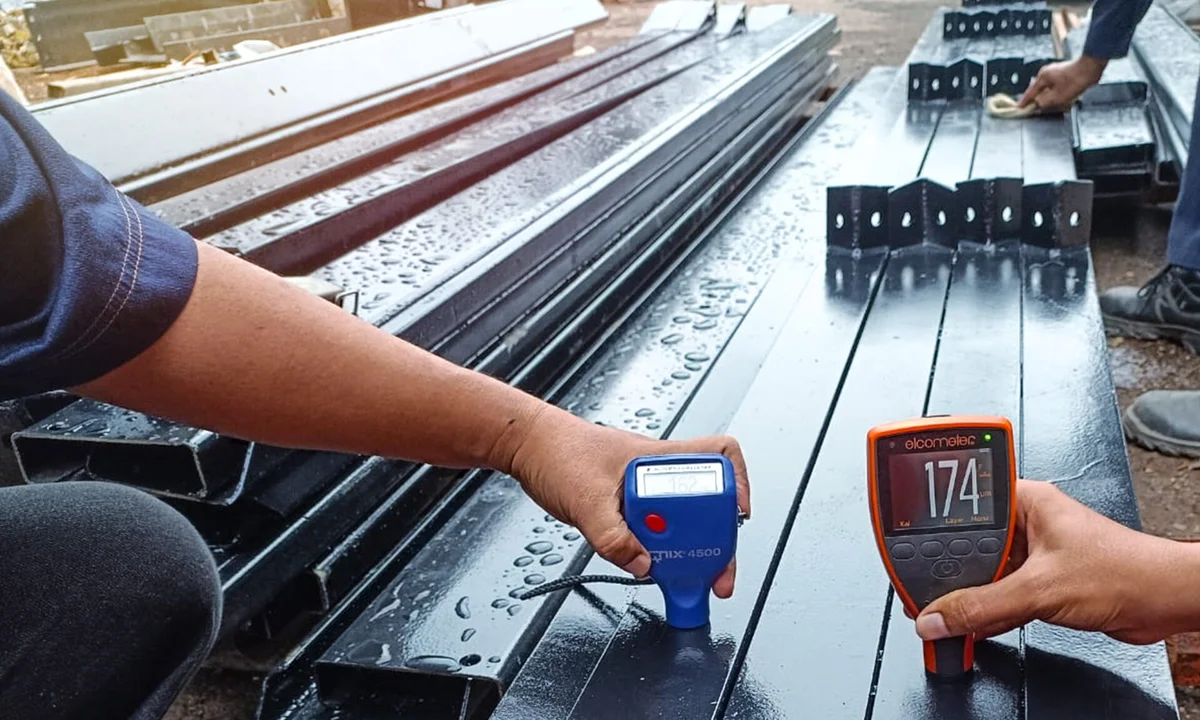
Although both are used for quality assurance, they serve different purposes.
Mechanical Testing | Non-Destructive Testing |
Often requires destruction of the sample | Does not damage the component |
Measures material properties | Detects surface and internal defects |
Used during material qualification | Used during manufacturing and in-service inspection |
Provides strength and performance data | Provides defect detection and condition assessment |
In many projects, both testing methods complement each other to provide a complete evaluation of product quality.
When selecting a laboratory, consider:
- NABL accreditation
- Compliance with ISO/IEC 17025
- Experienced engineers and metallurgists
- Modern testing equipment
- Comprehensive testing capabilities
- Fast turnaround time
- Detailed test reports
- Industry experience
An experienced laboratory can also help interpret results and recommend corrective actions when materials fail to meet specifications.
Industrial Development & Testing Laboratory (IDTL) provides comprehensive mechanical testing services for manufacturers, infrastructure projects, EPC companies, and engineering organizations.
IDTL offers:
- Tensile Testing
- Hardness Testing
- Compression Testing
- Bend Testing
- Impact Testing
- Metallurgical Testing
- Chemical Analysis
- Non-Destructive Testing (NDT)
With advanced laboratory equipment, qualified professionals, and adherence to national and international standards, IDTL delivers reliable results that support quality assurance and regulatory compliance.
Mechanical testing is a cornerstone of modern engineering and manufacturing. By measuring the physical properties of metals, organizations can verify material quality, ensure compliance with industry standards, and reduce the risk of costly failures.
From tensile and hardness testing to impact and compression tests, each method provides valuable insights into how a material will perform in real-world applications. Working with an experienced, NABL-accredited laboratory such as IDTL ensures accurate, reliable results that support better engineering decisions and long-term product performance.
What is mechanical testing of metals?
Mechanical testing evaluates the strength, hardness, toughness, ductility, and other physical properties of metals under controlled laboratory conditions.
Why is tensile testing important?
Tensile testing determines yield strength, ultimate tensile strength, and elongation, helping engineers verify that materials meet design requirements.
Is mechanical testing destructive?
Many mechanical tests require a sample to be loaded until deformation or failure occurs, making them destructive. These tests are typically performed on representative specimens rather than finished products.
Which standards are commonly used for mechanical testing?
Common standards include ASTM E8/E8M, ASTM E18, ASTM E23, ISO 6892, ISO 6508, and other relevant ASTM and ISO specifications depending on the test.
Which industries require mechanical testing?
Construction, manufacturing, automotive, aerospace, oil & gas, railways, power generation, and heavy engineering all rely on mechanical testing for quality assurance.