Quality is no longer simply a competitive advantage. It is an essential requirement for manufacturers, EPC companies, exporters, infrastructure developers, and industrial businesses operating in India and global markets.
A single defective component, incorrect material, poor weld, or non compliant product can result in project delays, expensive rework, safety risks, customer complaints, and reputational damage.
This is why Third Party Inspection Services in India play an important role in modern quality assurance.
Third party inspection is an independent quality verification process performed by an external inspection agency that has no direct involvement in manufacturing or procurement. It helps verify that materials, equipment, components, and finished products meet approved specifications, engineering drawings, applicable standards, contractual requirements, and customer expectations.
Whether you manufacture pressure vessels, structural steel, pipelines, fabricated equipment, industrial machinery, or other engineering products, third party inspection provides independent verification before products are delivered, installed, or shipped.
In this complete guide, we explain what third party inspection is, why it is important, the different inspection stages, inspection activities, applicable standards, benefits, and how to choose the right third party inspection company in India.
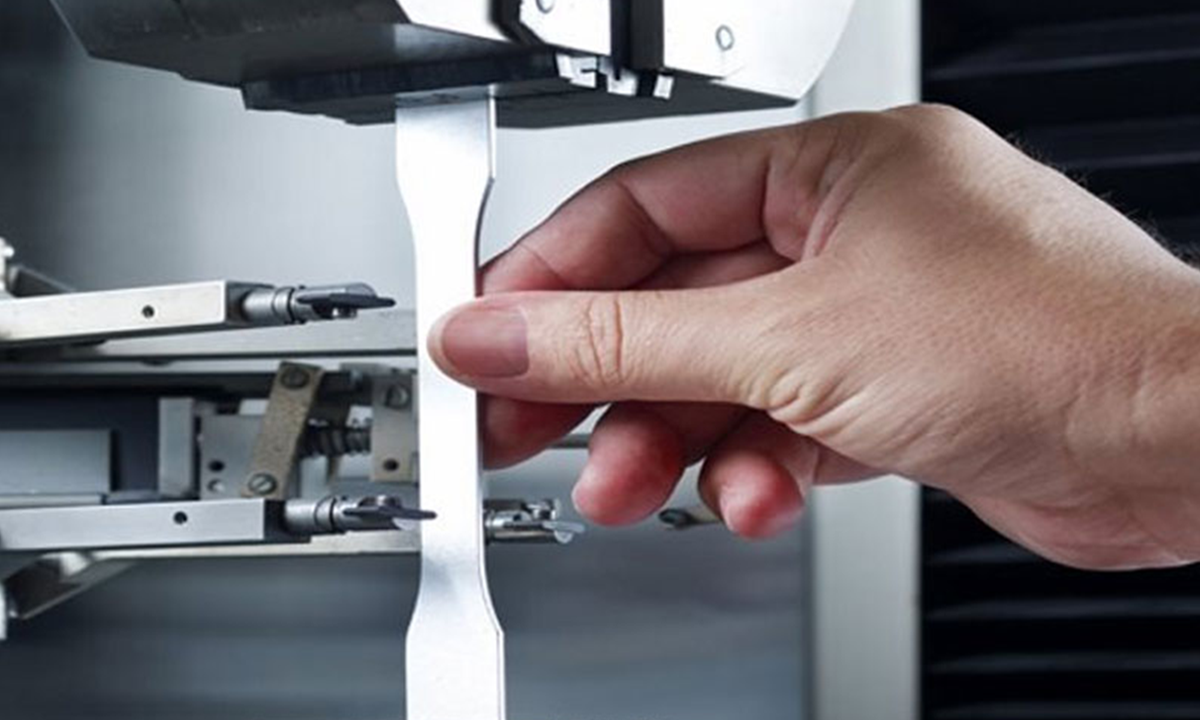
Third party inspection is an independent evaluation of materials, equipment, manufacturing processes, components, or finished products performed by an authorized external inspection agency.
Unlike internal quality control, which is carried out by the manufacturer, third party inspection is conducted by an impartial organization. Its purpose is to independently verify whether the product or manufacturing process complies with project specifications, engineering requirements, applicable standards, and contractual obligations.
A third party inspection company may inspect products at different stages of manufacturing and provide detailed inspection reports containing observations, measurements, test results, non conformities, and recommendations.
This independent verification gives manufacturers, buyers, EPC contractors, consultants, project owners, and exporters greater confidence in product quality before shipment or installation.
Manufacturing defects can become significantly more expensive to correct once a product has been delivered or installed at a project site.
Third party inspection helps identify quality issues at an earlier stage, when corrective action is easier and more economical.
Professional third party inspection services in India can help organizations:
- Ensure product quality
- Verify compliance with engineering specifications
- Identify manufacturing defects
- Reduce project delays
- Minimize expensive rework
- Verify material quality and traceability
- Improve supplier performance
- Meet contractual requirements
- Support export requirements
- Improve customer confidence
- Reduce product failure risks
- Maintain proper inspection documentation
Independent inspection reports can also provide valuable documentation for audits, customer approvals, warranty discussions, and dispute resolution.
Third party inspection is widely used across industries where product quality, safety, reliability, and regulatory compliance are critical.
Oil and Gas Industry
The oil and gas sector requires strict quality control because equipment often operates under demanding conditions.
Third party inspection may cover:
- Pressure vessels
- Pipelines
- Storage tanks
- Valves
- Heat exchangers
- Welded assemblies
- Fabricated equipment
Independent inspection helps verify manufacturing quality and reduce the possibility of equipment failure during operation.
Power Generation Industry
Power generation projects require reliable equipment and structural components.
Inspection may include boilers, turbines, pressure equipment, structural components, fabricated equipment, and other critical parts used in power plants.
Third party inspection helps verify that these components meet specified technical and quality requirements.
Construction and Infrastructure
Construction and infrastructure projects depend on the quality of materials, fabrication, and structural components.
Third party inspection can cover:
- Structural steel
- Reinforcement materials
- Welding
- Fasteners
- Fabricated components
- Construction materials
- Steel structures
Proper inspection helps support structural integrity and reduce quality related project risks.
Manufacturing Industry
Manufacturers can use third party inspection to verify incoming materials, monitor production processes, evaluate finished products, and confirm compliance before delivery.
Independent inspection is particularly useful when products are manufactured according to detailed customer specifications or international standards.
Renewable Energy
The renewable energy sector also benefits from independent inspection.
Inspection services may support the quality verification of wind turbine structures, solar mounting systems, fabricated components, and other equipment where durability and performance are important.
Export Manufacturing
International buyers may require independent inspection before products are shipped from India.
Third party inspection can help exporters verify that products meet contractual specifications, documentation requirements, packaging requirements, and applicable standards before dispatch.
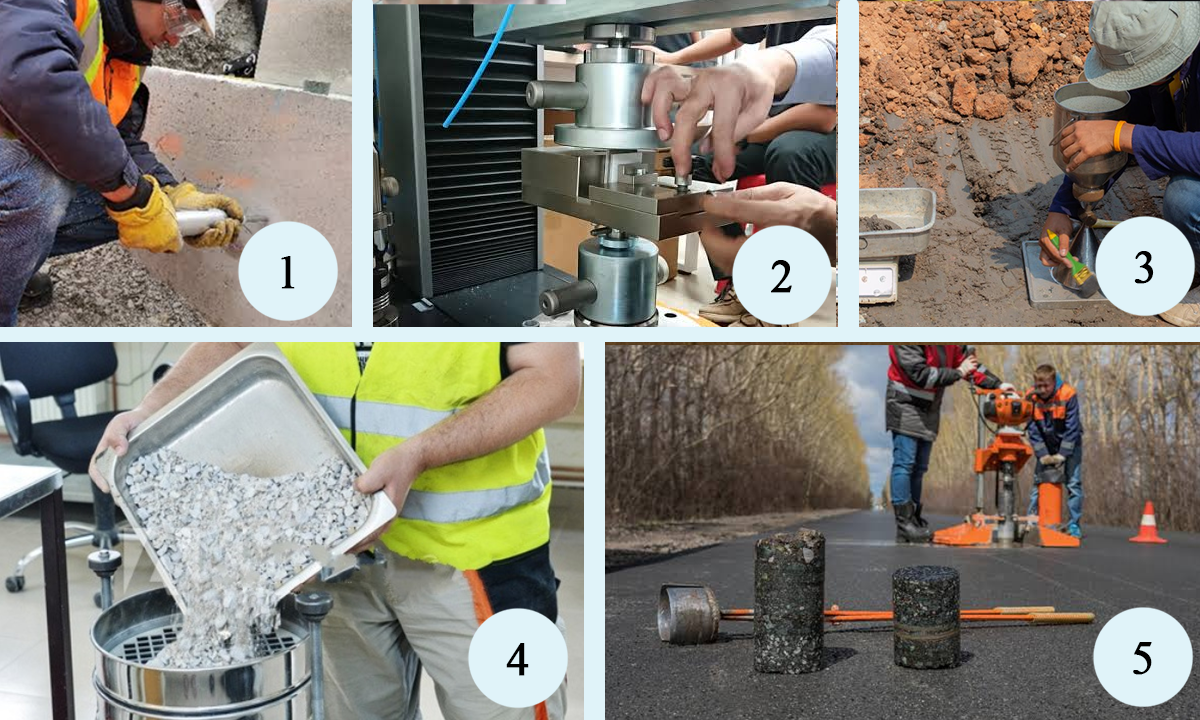
The inspection stage depends on the product, manufacturing process, project requirements, and customer’s inspection plan.
The most common types of third party inspection include pre production inspection, during production inspection, final inspection, and pre dispatch inspection.
Pre Production Inspection
Pre Production Inspection (PPI) is conducted before manufacturing begins.
The inspection team may verify:
- Raw materials
- Manufacturing capabilities
- Production equipment
- Documentation
- Approved drawings
- Quality plans
- Manufacturing procedures
Early verification helps identify potential issues before production starts.
During Production Inspection
During Production Inspection (DPI) is performed while manufacturing is in progress.
The objective is to identify quality problems while corrective action is still possible.
Inspectors may evaluate:
- Welding procedures
- Fabrication quality
- Dimensional accuracy
- Material traceability
- Assembly processes
- Workmanship
- Production progress
Regular inspection can help prevent defects from continuing through the entire production process.
Final Inspection
Final inspection is conducted after manufacturing is completed and before the product is shipped.
The inspection may verify:
- Dimensions
- Surface finish
- Product condition
- Marking
- Packaging
- Documentation
- Functional requirements
- Purchase specifications
Final inspection provides an important quality verification point before dispatch.
Pre Dispatch Inspection
Pre Dispatch Inspection (PDI) is commonly requested by buyers who want independent confirmation before products leave the manufacturer’s facility.
A pre dispatch inspection verifies that products:
- Meet contractual requirements
- Match approved specifications
- Are correctly packaged
- Have the required documentation
- Are ready for shipment
This helps reduce the possibility of receiving incorrect, damaged, or non compliant products.
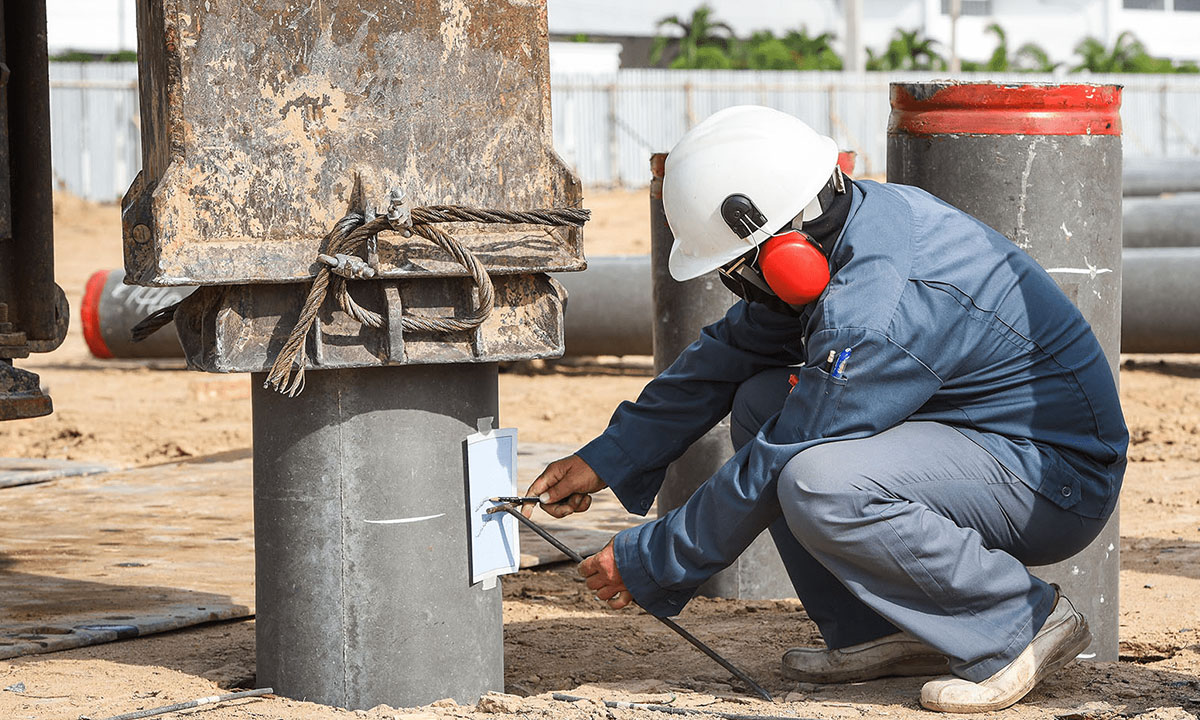
Depending on the project scope and inspection requirements, third party inspection companies may perform several inspection and verification activities.
Visual Inspection
Visual inspection involves checking products and components for visible defects, surface damage, corrosion, fabrication problems, workmanship issues, and other observable conditions.
Dimensional Inspection
Dimensional inspection verifies whether components conform to approved engineering drawings, specified measurements, and required tolerances.
Material Verification
Material verification involves checking material grades, material certificates, identification, and traceability against the project requirements.
Welding Inspection
Welding inspection evaluates weld preparation, welding procedures, welder qualifications, welding quality, and finished welds.
This can be particularly important for pressure equipment, structural steel, pipelines, fabricated components, and industrial machinery.
Non Destructive Testing
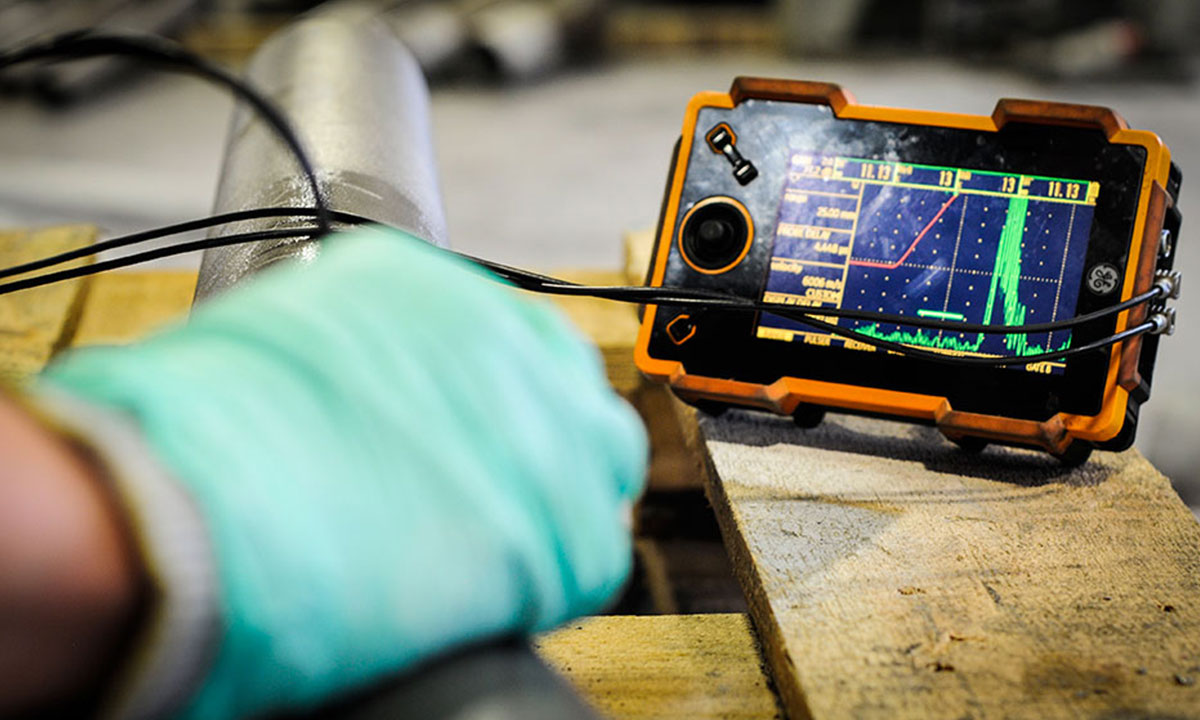
Non Destructive Testing (NDT) allows inspectors to identify certain internal or surface defects without damaging the product.
Depending on project requirements, NDT may include:
- Ultrasonic Testing (UT)
- Magnetic Particle Testing (MT)
- Dye Penetrant Testing (PT)
- Radiographic Testing (RT)
- Visual Testing (VT)
The appropriate NDT method depends on the material, component, defect type, applicable standard, and project requirements.
Documentation Review
Documentation review is an important part of third party inspection.
Inspectors may verify:
- Material Test Certificates (MTC)
- Calibration records
- Welding Procedure Specifications (WPS)
- Procedure Qualification Records (PQR)
- Inspection reports
- Test certificates
- Quality plans
- Manufacturing documentation
Proper documentation helps establish traceability and demonstrates compliance with project requirements.
Third-party inspection activities are generally carried out in accordance with recognized standards such as:
- ASTM
- ASME
- ISO
- BIS
- AWS
- API
- EN
Following internationally accepted standards ensures consistency and acceptance across industries.
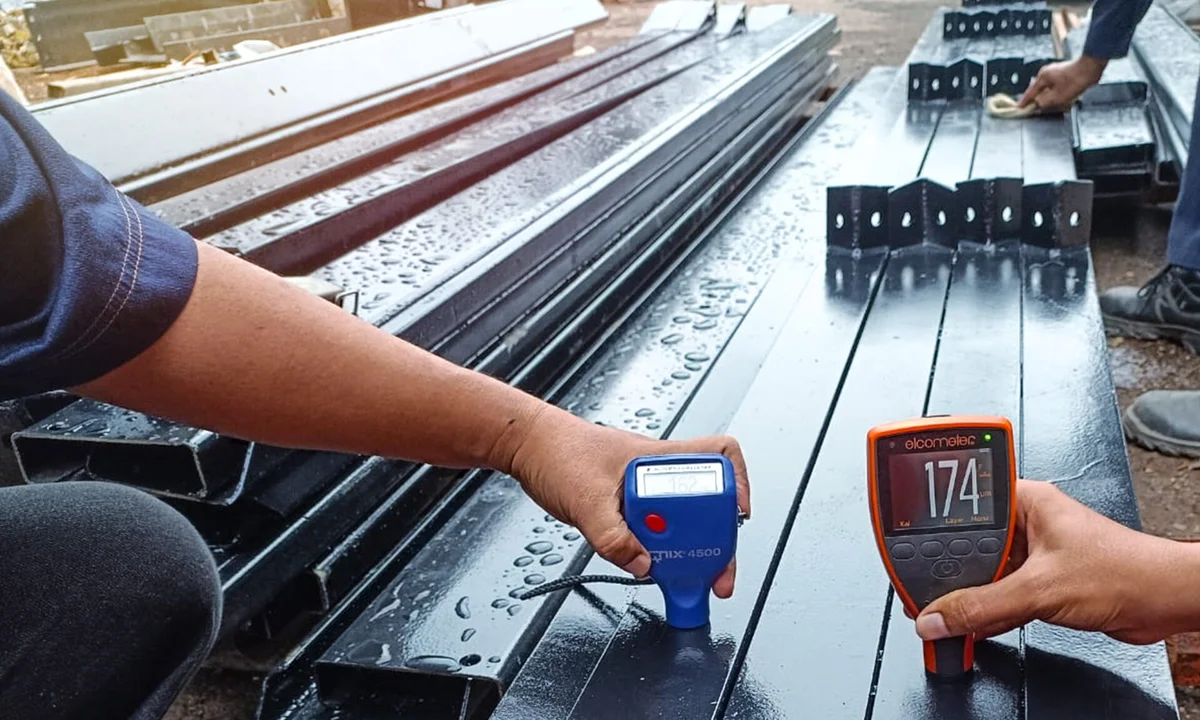
Partnering with an experienced inspection company offers several advantages:
- Unbiased assessment
- Improved product quality
- Reduced project risk
- Better supplier performance
- Compliance with customer requirements
- Increased confidence in manufactured products
- Lower warranty claims
- Faster issue resolution
- Enhanced brand reputation
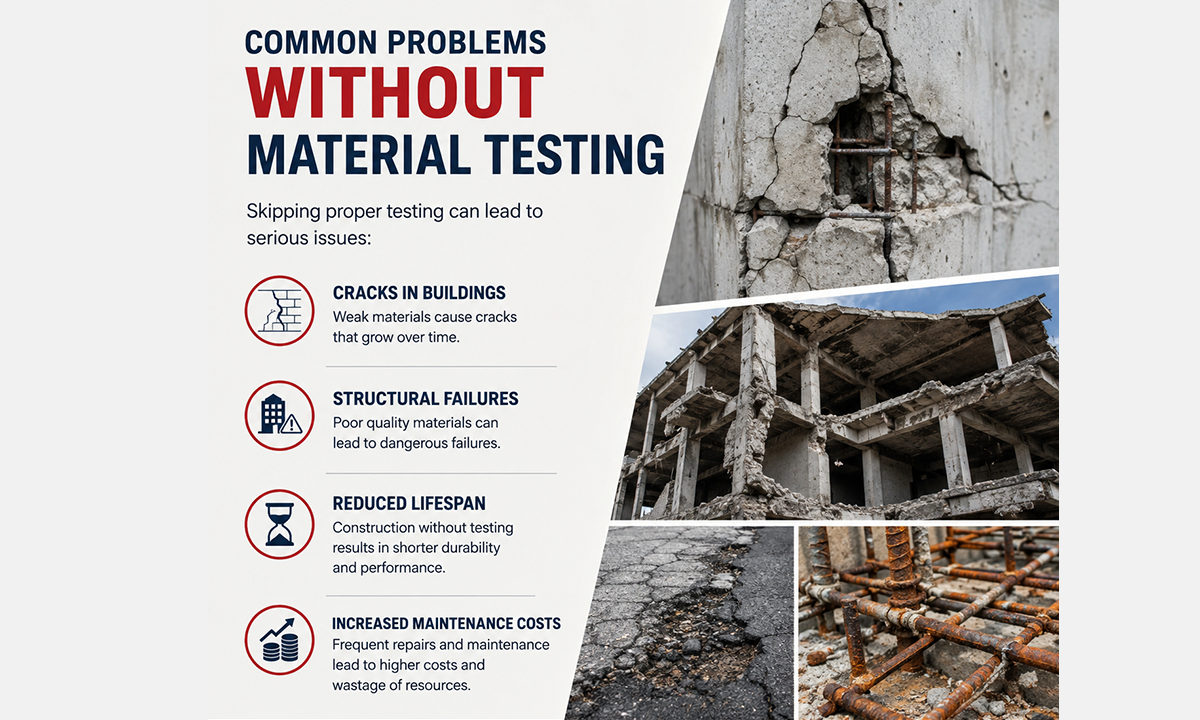
When selecting an inspection partner, consider:
- Industry experience
- Qualified inspectors
- NABL-accredited testing support (where applicable)
- Knowledge of international standards
- Timely reporting
- Nationwide service capability
- Modern inspection equipment
- Transparent communication
- Strong reputation in industrial sectors
The right inspection partner should not only identify defects but also provide technical guidance to help manufacturers improve quality.
For more than 27 years, Industrial Development & Testing Laboratory (IDTL) has supported industries with independent inspection and testing services.
IDTL offers:
Third-party inspection
Vendor inspection
Mechanical testing
Chemical analysis
Metallurgical testing
Non-Destructive Testing (NDT)
Quality assurance support
With experienced engineers, advanced testing facilities, and a commitment to impartiality, IDTL helps manufacturers, EPC contractors, infrastructure companies, and exporters maintain compliance with national and international quality standards.
Third-party inspection is an essential part of modern quality assurance. By providing independent verification at every stage of manufacturing, it helps organizations reduce risks, improve product quality, meet regulatory requirements, and strengthen customer trust.
Whether you’re supplying industrial equipment, executing infrastructure projects, or exporting manufactured goods, partnering with an experienced inspection agency ensures that quality is verified before products reach the field.
What is third-party inspection?
Third-party inspection is an independent evaluation of products, materials, or manufacturing processes by an impartial inspection agency to verify compliance with specifications and quality standards.
Who needs third-party inspection services?
Manufacturers, EPC contractors, exporters, construction companies, oil and gas firms, power plants, and infrastructure developers commonly use third-party inspection services.
What is the difference between quality control and third-party inspection?
Quality control is performed internally by the manufacturer, while third-party inspection is conducted by an independent organization that provides unbiased verification.
Why is third-party inspection important?
It helps detect defects early, reduces project risks, ensures compliance, improves customer confidence, and minimizes costly rework or failures.
When should third-party inspection be performed?
Inspections can take place before production, during manufacturing, after production, or before shipment, depending on project requirements.