
Selecting the right metal for an engineering application involves more than checking its appearance or supplier certificate. The chemical composition of a material directly influences its strength, corrosion resistance, weldability, hardness, heat resistance, and overall performance.
Even a small variation in alloy composition can affect the service life of a component, leading to premature failures, safety concerns, or non-compliance with industry standards.
This is why Chemical Analysis of Metals is a fundamental part of quality assurance in manufacturing, construction, oil & gas, aerospace, automotive, and heavy engineering industries.
Chemical analysis verifies whether a material matches its specified grade by identifying and measuring the percentage of elements present in the sample. It is used for raw material verification, incoming inspection, supplier qualification, failure investigations, and certification of finished products.
In this guide, we’ll explain the importance of chemical analysis, commonly used testing methods, applicable standards, industrial applications, and how professional laboratory testing helps ensure product quality and regulatory compliance.
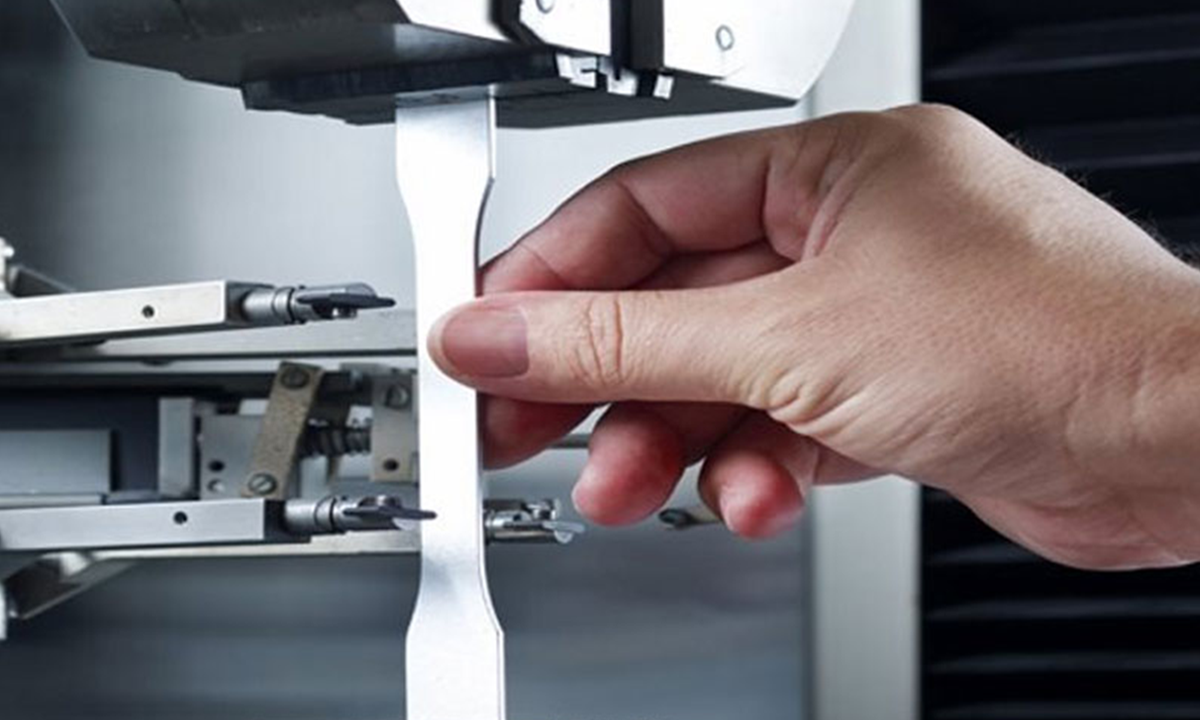
Chemical analysis of metals is the laboratory process of determining the elemental composition of metallic materials.
The objective is to verify that the material contains the correct proportion of alloying elements and impurities according to the required specification.
Depending on the material and application, the analysis may identify elements such as:
- Carbon (C)
- Silicon (Si)
- Manganese (Mn)
- Chromium (Cr)
- Nickel (Ni)
- Molybdenum (Mo)
- Copper (Cu)
- Aluminum (Al)
- Titanium (Ti)
- Vanadium (V)
- Sulfur (S)
- Phosphorus (P)
The results are compared with national or international standards to confirm material compliance.
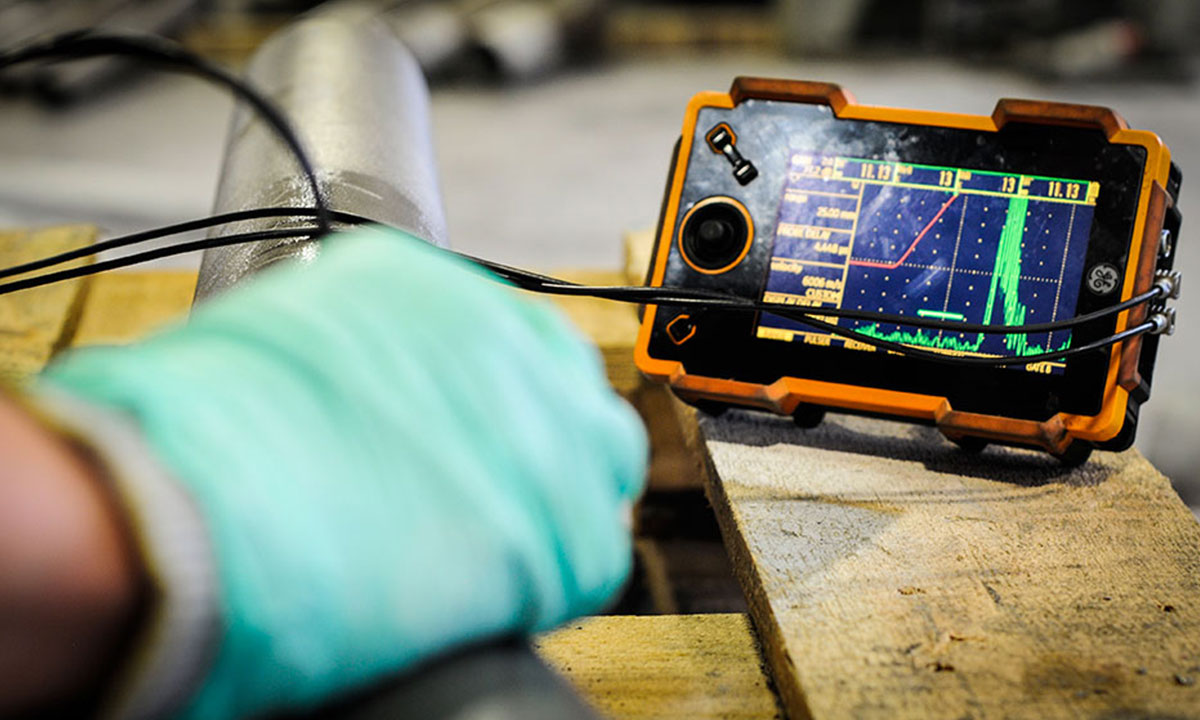
Chemical composition directly affects the mechanical and physical properties of metals.
Chemical analysis helps organizations:
- Verify material grades
- Confirm supplier certifications
- Detect material mix-ups
- Support quality assurance
- Ensure compliance with engineering specifications
- Prevent premature failures
- Improve product reliability
- Meet customer and regulatory requirements
Without accurate chemical analysis, unsuitable materials may enter production, increasing the risk of defects and costly failures.
Several analytical techniques are used depending on the material, required accuracy, and testing objective.
1. Optical Emission Spectroscopy (OES)
Optical Emission Spectroscopy is one of the most widely used methods for analyzing metallic materials.
During testing, a controlled electrical spark excites atoms in the sample. The emitted light is measured to determine the concentration of each element.
Advantages:
- Fast analysis
- High accuracy
- Multi-element detection
- Suitable for production environments
Applications:
- Steel
- Stainless steel
- Aluminum alloys
- Copper alloys
- Nickel alloys
2. Positive Material Identification (PMI)
PMI is commonly used to verify material grades without extensive laboratory preparation.
It is widely applied in:
- Pipelines
- Pressure vessels
- Refineries
- Petrochemical plants
- Fabrication shops
PMI helps prevent costly material mix-ups during manufacturing and maintenance.
3. X-Ray Fluorescence (XRF)
XRF analyzers identify alloy compositions using X-ray technology.
Advantages include:
- Portable equipment
- Rapid testing
- Non-destructive analysis
- On-site material verification
4. Carbon and Sulfur Analysis
Certain elements require specialized analyzers.
Carbon and sulfur analyzers provide highly accurate measurements essential for steel manufacturing and quality control.
5. Wet Chemical Analysis
Although modern instrumental techniques are widely used, traditional wet chemistry remains valuable for certain applications requiring specialized verification.
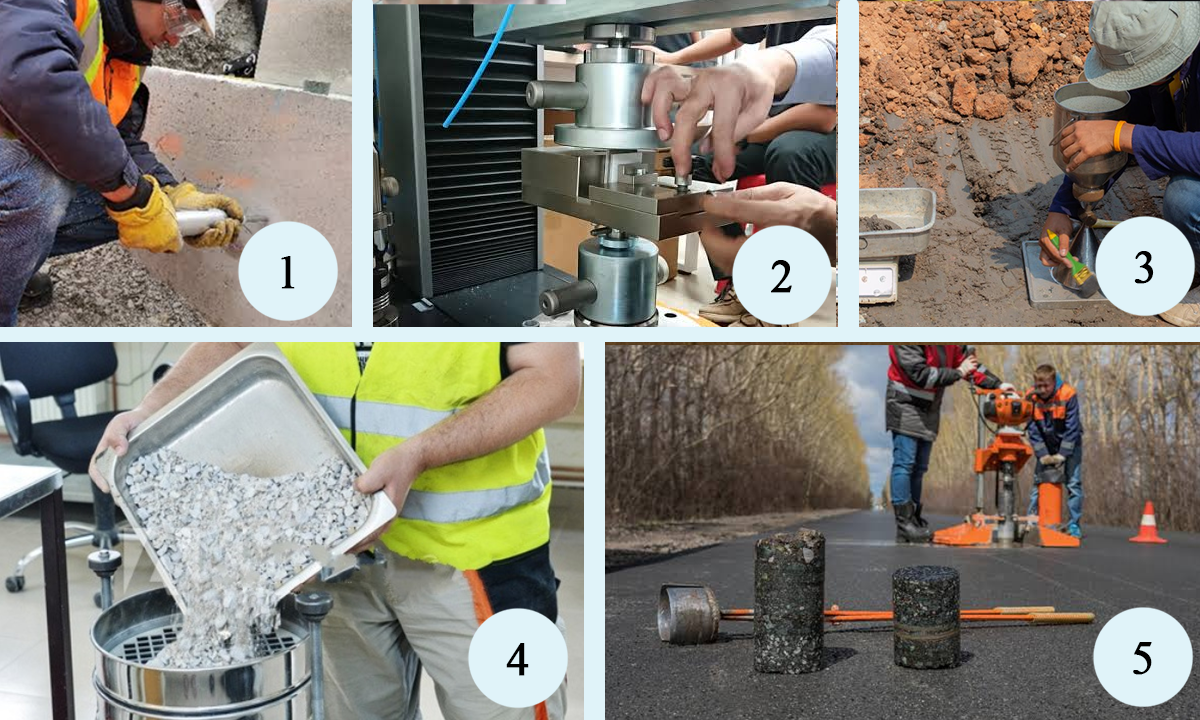
Chemical analysis is performed on a wide variety of engineering materials, including:
- Carbon Steel
- Stainless Steel
- Alloy Steel
- Tool Steel
- Cast Iron
- Aluminum
- Copper Alloys
- Brass
- Bronze
- Nickel Alloys
- Titanium Alloys
- Welding Consumables
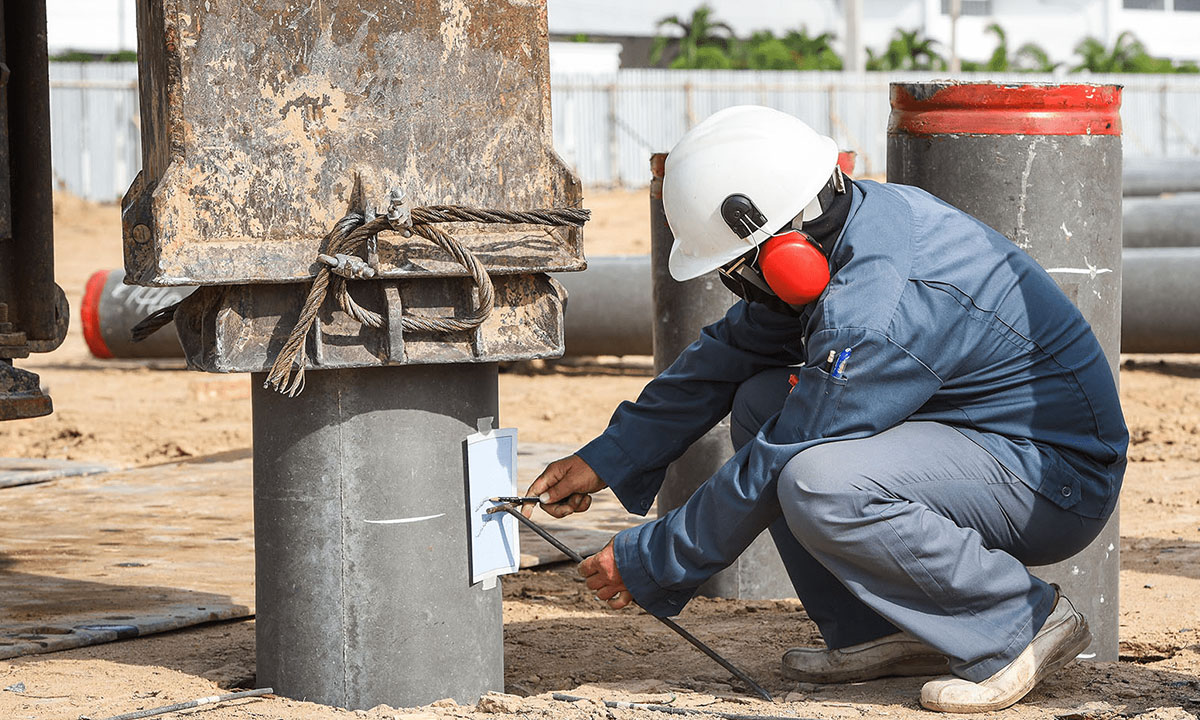
Chemical testing supports quality assurance across many industries.
Manufacturing
Verification of incoming raw materials and finished products.
Oil & Gas
Material identification for pipelines, valves, flanges, and pressure equipment.
Construction
Testing structural steel, reinforcement bars, and fabricated components.
Automotive
Ensuring alloy consistency in engine and transmission components.
Aerospace
Verification of high-performance alloys used in critical applications.
Power Generation
Testing turbine materials, boiler tubes, and high-temperature alloys.
Professional laboratory testing provides several important advantages.
Accurate Material Identification
Confirms that materials match specified alloy grades.
Improved Quality Control
Detects composition variations before production.
Regulatory Compliance
Supports compliance with ASTM, ISO, BIS, and customer specifications.
Failure Prevention
Reduces the likelihood of failures caused by incorrect material selection.
Supplier Verification
Confirms that supplied materials meet purchase requirements.
Better Traceability
Provides documented evidence of material composition for audits and certification.
Chemical analysis is typically performed according to recognized standards, including:
- ASTM E415
- ASTM E1086
- ASTM E1019
- ISO 9556
- ISO 14284
- BIS material specifications
These standards ensure consistent and reliable analytical results.
When selecting a laboratory, consider:
- NABL accreditation
- Modern spectrometers and analytical equipment
- Experienced metallurgists
- ISO/IEC 17025 compliance
- Wide testing capabilities
- Fast reporting
- Industry experience
- Technical support
Choosing a qualified laboratory ensures dependable results and confidence in material quality.
Industrial Development & Testing Laboratory (IDTL) provides comprehensive chemical analysis services for industries across India.
IDTL’s capabilities include:
- Optical Emission Spectroscopy (OES)
- Alloy Verification
- Material Identification
- Chemical Composition Testing
- Mechanical Testing
- Metallurgical Examination
- Non-Destructive Testing
- Third-Party Inspection
With experienced technical professionals, advanced analytical equipment, and adherence to recognized standards, IDTL helps manufacturers and engineering organizations ensure product quality and regulatory compliance.

Chemical analysis is a critical step in verifying the quality and suitability of metallic materials. By accurately identifying elemental composition, organizations can ensure compliance with specifications, improve product reliability, and reduce the risk of costly failures caused by incorrect material selection.
Whether you’re validating incoming raw materials, supporting a failure investigation, or certifying finished products, partnering with an experienced laboratory such as IDTL provides the technical expertise and reliable data needed for confident engineering decisions.
What is chemical analysis of metals?
Chemical analysis determines the elemental composition of metallic materials to verify alloy grade, quality, and compliance with specifications.
Why is chemical analysis important?
It confirms material identity, prevents mix-ups, supports quality assurance, and ensures compliance with industry standards.
Which industries require chemical analysis?
Manufacturing, oil & gas, construction, automotive, aerospace, power generation, railways, and heavy engineering all depend on chemical analysis.
What is OES testing?
Optical Emission Spectroscopy (OES) is a fast and accurate technique used to determine the chemical composition of metallic materials by analyzing the light emitted from an electrical spark.
Is chemical analysis destructive?
Some methods require small samples or localized surface preparation, while portable XRF and certain PMI techniques can be minimally destructive or effectively non-destructive depending on the application.