
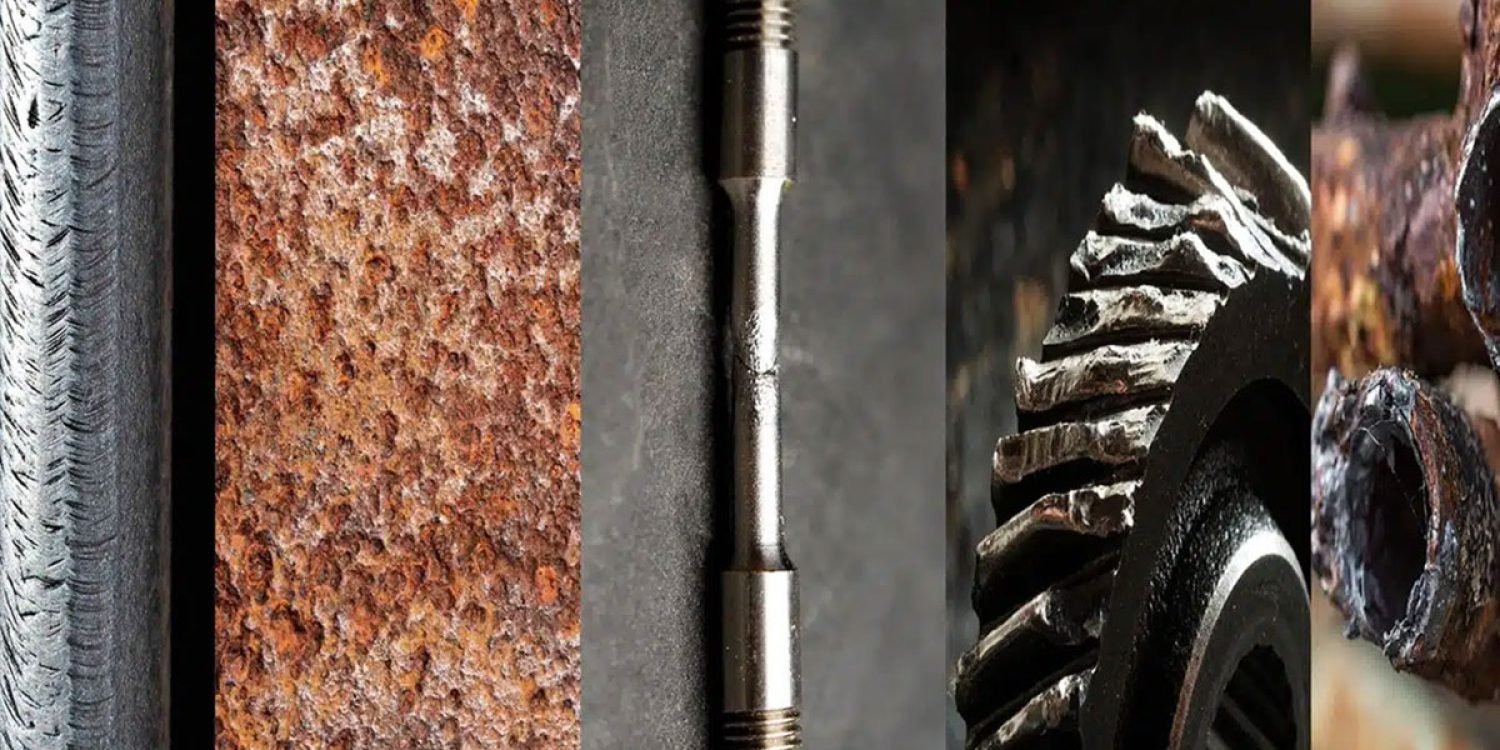
When something fails… it doesn’t just stop working.
It leaves questions behind.
Why did it happen? Could it have been prevented? What went wrong?
In industries like construction, manufacturing, and infrastructure, even a small failure can lead to massive losses. That’s why failure analysis has become a critical process in modern engineering.
It’s not just about identifying problems… it’s about preventing them from happening again.
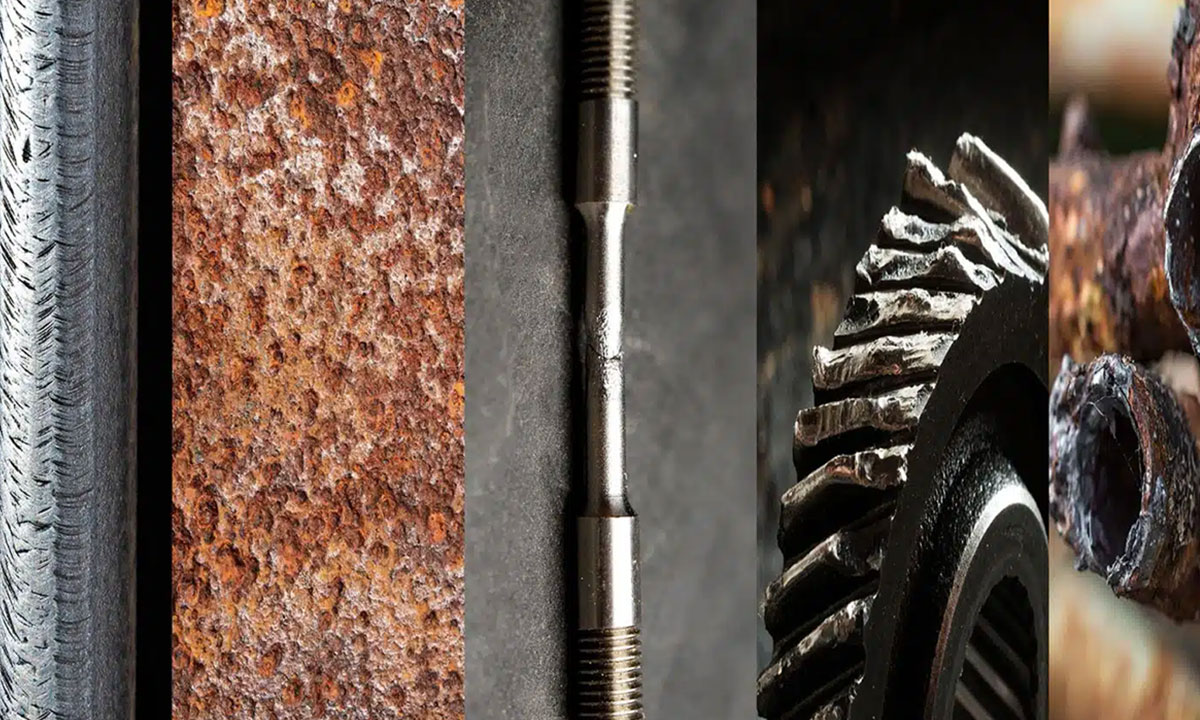
Failure analysis in engineering is the process of investigating the cause of material or component failure to identify defects, understand root causes, and prevent future failures.
India is rapidly expanding in infrastructure and manufacturing. With this growth, the risk of material and structural failures also increases.
Failure analysis helps industries:
- Identify root causes of failures
- Prevent repeated issues
- Improve product quality
- Reduce financial losses
- Ensure safety and compliance
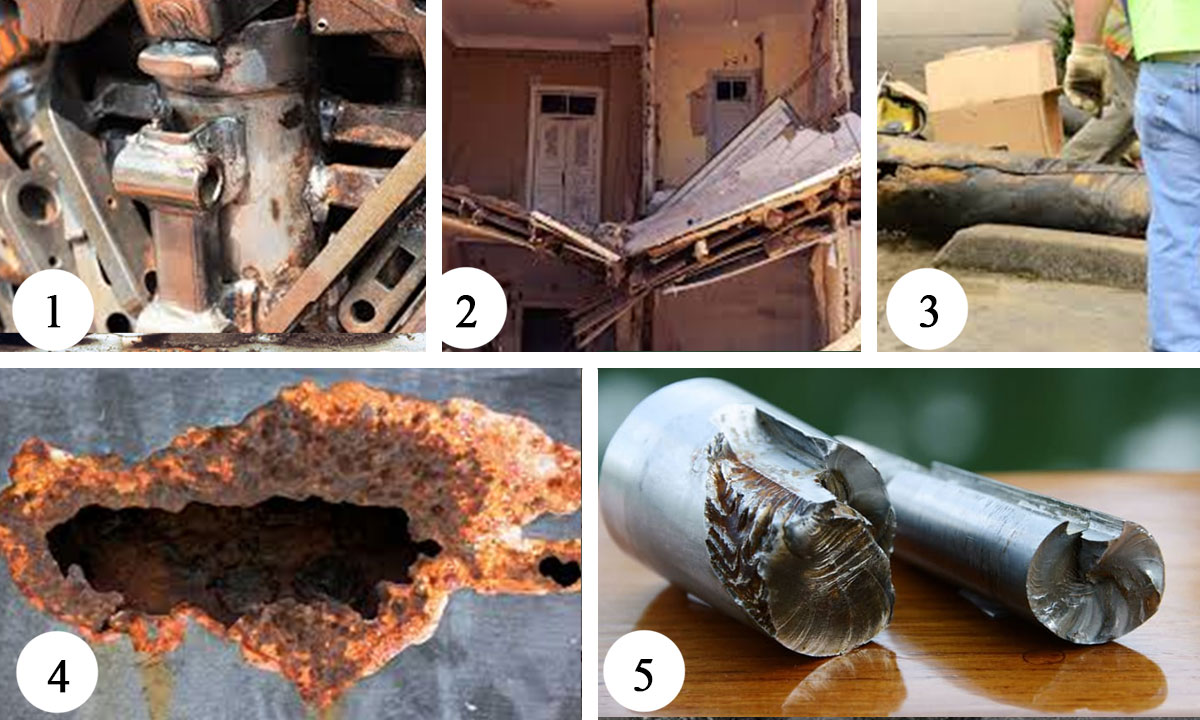
The most common reasons behind material or structural failures include:
- Material defects – poor quality or impurities
- Design flaws – incorrect calculations or planning
- Manufacturing errors – improper production processes
- Corrosion – chemical reactions weakening materials
- Overloading – exceeding material limits
What Materials are Tested in Construction Projects
- Cement
- Concrete
- Steel
- Bricks
- Soil
- Aggregates
Failures can occur in different forms depending on the material and conditions:
- Mechanical failure
- Structural failure
- Thermal failure
- Corrosion failure
- Fatigue failure
Understanding the type of failure is the first step toward solving it.
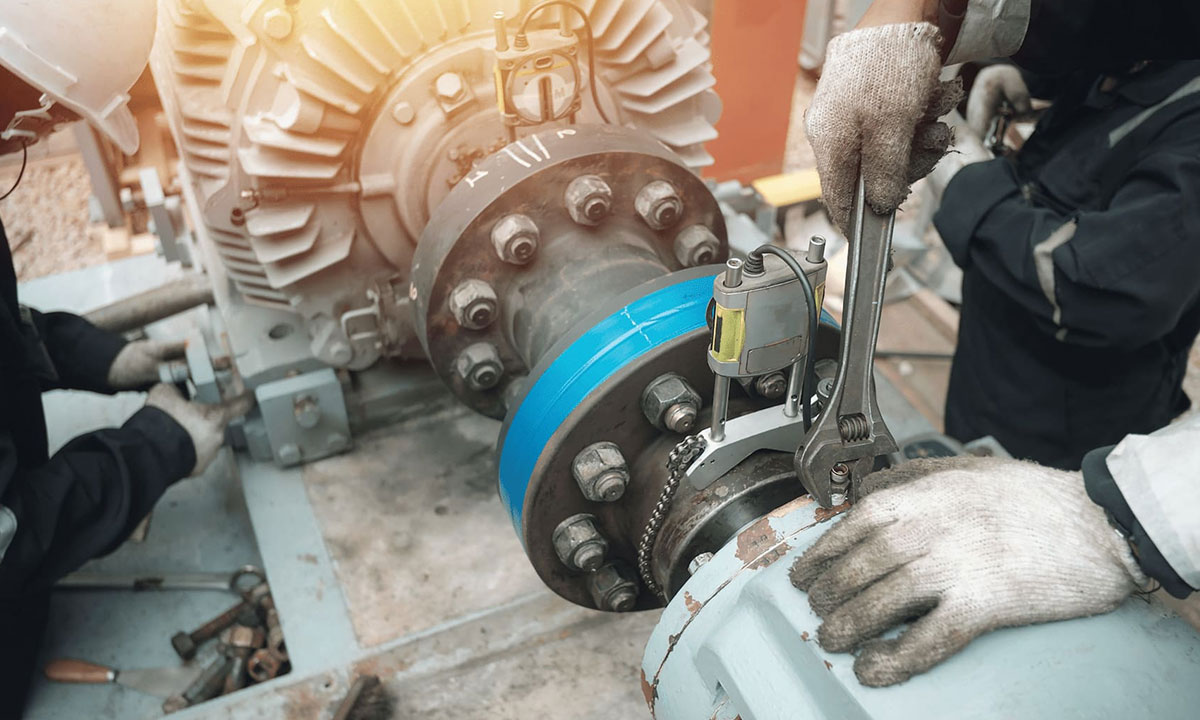
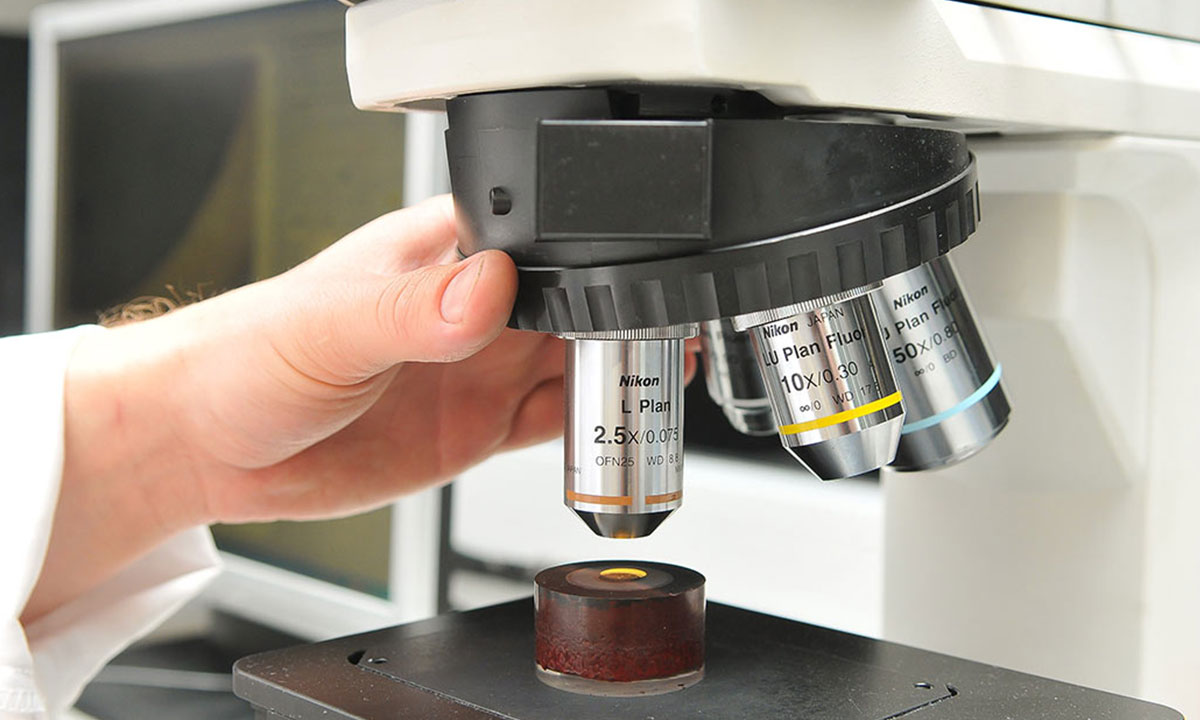
Failure analysis is done by collecting failed material samples and examining them using laboratory testing methods such as metallographic analysis, chemical testing, and non-destructive testing to identify the root cause of failure.
Different techniques are used depending on the type of failure:
- Visual inspection
- Microscopic analysis
- Chemical composition testing
- Mechanical testing
- Non-destructive testing
These methods help engineers understand exactly what went wrong.
Imagine a bridge developing cracks just months after construction.
Through failure analysis, engineers can identify whether the issue was caused by poor material quality, incorrect design, or environmental factors.
This not only helps fix the current issue but also prevents similar failures in future projects.
Benefits of Failure Analysis
- Improves product reliability
- Enhances safety
- Reduces maintenance costs
- Prevents repeated failures
- Supports better design decisions

With advancements in technology, failure analysis is becoming more advanced.
Artificial intelligence and data analysis are helping engineers predict failures before they happen. Modern laboratories are now equipped with high-precision tools that provide faster and more accurate results.
This shift is making industries more proactive rather than reactive.
Choosing the right laboratory is crucial for accurate results.
Consider these factors:
- NABL accreditation
- Expertise in multiple testing methods
- Advanced laboratory equipment
- Detailed and reliable reporting
A good lab doesn’t just identify problems… it helps you understand them.
IDTL offers comprehensive failure analysis services using advanced testing methods and industry expertise.
By identifying root causes and providing accurate insights, IDTL helps businesses prevent future failures and improve overall quality.
Failure analysis in engineering is more than just investigating problems.
It’s about learning, improving, and preventing future risks.
In a fast-growing country like India, where industries are expanding rapidly, understanding failures is just as important as building success.
Because sometimes… knowing why something failed is the key to making sure it never happens again.
Choosing the right testing laboratory ensures that your projects stand strong, safe, and reliable for years to come
What is failure analysis
Failure analysis is the process of identifying the cause of material or component failure.
Why is failure analysis important
It helps prevent future failures and improves safety and quality.
What causes engineering failures
Material defects, design flaws, corrosion, and overloading are common causes.
How is failure analysis done
It is done using laboratory testing methods and inspection techniques.